

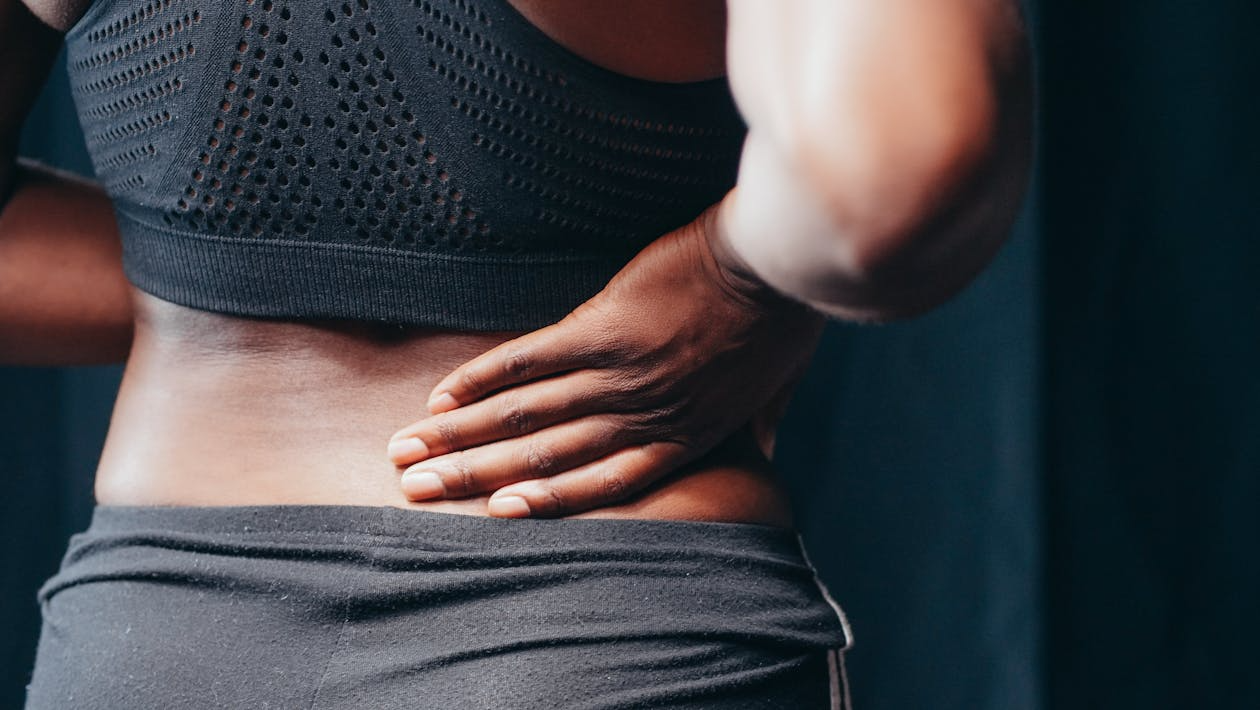

Modern life is demanding and often stressful. More of us spend long hours sitting at desks, staring at screens, commuting, rushing between responsibilities, and trying to squeeze rest into what little time remains. Over time, this way of living can sneakily take a toll on the body. A stiff neck, aching back, tight shoulders, or constant fatigue can begin to feel normal. These signs are often the body’s way of indicating a need for help.
Understanding how everyday life affects the body is the first step towards feeling better. Osteopathy offers a practical, hands-on approach that views the body as a whole, rather than focusing solely on the location of the pain.
The Hidden Strain of Everyday Life
Small, repeated stresses add up over time. Sitting for hours without moving properly can tighten muscles and reduce flexibility. Poor posture, especially when working at a desk or using a phone, places extra pressure on the spine and joints. Even standing for long periods or lifting objects awkwardly can cause an imbalance over time.
Stress creeps in, and the body pays the price. When we feel stressed or anxious, the body often tenses without us noticing. Muscles tighten, breathing becomes shallow, and movement can feel restricted. Over the course of weeks or months, the tension can lead to discomfort and pain.
Broken sleep, missed movement, and old injuries still lurking in the background all take their toll. The body adapts to cope, but these adaptations are not always helpful in the long run. Eventually, aches and pains may start to interfere with daily life, work, or leisure activities.
The Lie Pain Tells
Pain is just the symptom that refuses to be ignored. The body works as a connected system. A problem in one area can affect another. For example, stiffness in the hips can alter your walking pattern, which may then affect your knees or lower back. Tightness in the upper back can contribute to neck pain or headaches.
That’s why fixing where it hurts doesn’t always fix what’s wrong. What matters is understanding how the body is moving as a whole and where it may be under strain.
A Whole-body Approach to Care
When the body struggles, osteopathy shows the way. Osteopathy focuses on how the muscles, joints, and tissues work together. Rather than treating symptoms in isolation, it looks at the body’s overall balance and movement.
An osteopath will take time to understand your lifestyle, work habits, medical history, and the way your body moves. Treatment is hands-on and gentle, aiming to improve mobility, ease tension, and support the body’s natural ability to heal itself.
The goal is long-term improvement. If you don’t address the root cause, the pain will continue to find you.
Beyond Pain: Osteopathy for Daily Life
People come for the pain in their back, neck, or joints, but osteopathy addresses the damage modern life leaves behind. Headaches, tense necks, aching joints, the toll of modern life shows up in many forms.
Treatment often involves a combination of gentle movement, stretching, and hands-on techniques to release tight areas. Loosen the knots, get the blood moving, and retrain your body to move right.
Importantly, osteopathic treatment also encourages awareness. Patients often gain a better understanding of how their habits affect their bodies. Minor adjustments today prevent the pain of tomorrow.
The Importance of Prevention
Pain usually has to get unbearable before people take action. However, taking care of the body early can prevent minor issues from becoming more serious. Regular care can help maintain flexibility, support good posture, and keep the body functioning well.
Prevention is essential for individuals with physically demanding jobs, those who work at desks, or those with active lifestyles. Runners, gym-goers, manual workers, and office staff all place different demands on their bodies. Osteopathy can help ensure these demands do not lead to long-term problems.

Supporting Recovery and Wellbeing
Osteopathy is not only about managing pain. It can also support recovery after injury, illness, or periods of high stress. When the body moves well, everyday tasks feel easier and less tiring. Better movement often leads to better sleep, improved energy levels, and a greater sense of well-being.
Where it hurts is just the beginning; relief spreads deeper. Feeling more comfortable in your body can have a profoundly positive impact on your mood, confidence, and overall well-being.
Unique Body. Unique Story
No two bodies are the same, and neither are the challenges they face. Age, lifestyle, work, and previous injuries all influence how the body responds to strain. Your body tells a story. Osteopathy hears and acts.
As you improve and your body changes, your plan changes too. Between sessions, small actions, such as stretching, moving, or performing simple exercises, can help you drive your own recovery.
Osteopathy in Everyday Communities
Across the UK, people from all backgrounds turn to osteopathy. From office workers and parents to older adults and athletes, many turn to osteopathy to help manage the physical demands of daily living.
As an example, clinics such as Arc Osteopathy support local communities by offering personalised care focused on movement, comfort, and long-term health. Professional support nearby makes staying on top of your body easier.
Bodies Don’t Lie. Every Ache and Tension Tells the Truth
One of the most essential lessons osteopathy encourages is listening to your body. Pain, stiffness, and fatigue are not only inconveniences to push through. They are signals that something needs attention.
Respond early by addressing issues as they arise, and treat the whole body to ensure a balanced, long-lasting approach to health and wellbeing. Consistent care keeps minor aches from taking over your life.

Own Your Movement. Own Your Life
Life will always place demands on the body. Work, family, exercise, and stress are all part of everyday living. While these challenges cannot be entirely removed, the body’s response to them can be improved.
Osteopathy offers a practical and supportive way to help the body move more freely, cope better with strain, and recover more effectively. The long-term benefits include improved comfort, enhanced mobility, and a stronger foundation for overall well-being.
Taking care of your body is not a luxury; it’s a necessity. It is an essential part of living well, staying active, and enjoying life at every stage.