

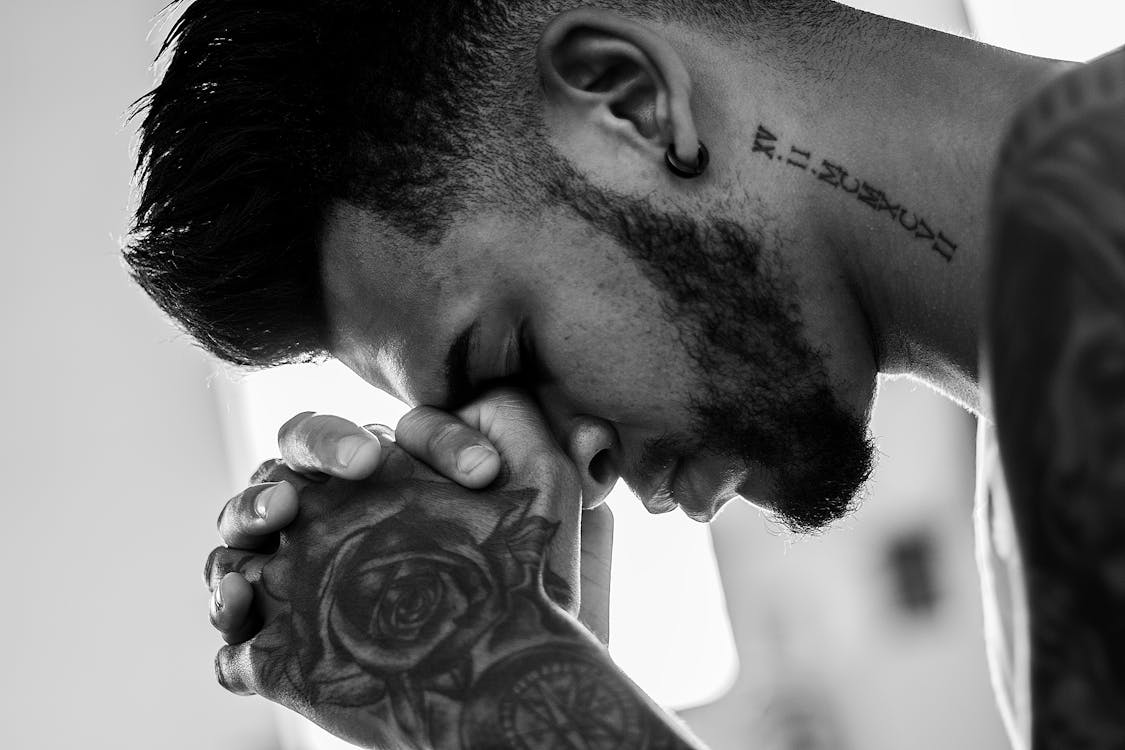

Grief is often a quiet companion, especially for men. Society sometimes expects men to be stoic, to carry on without showing emotion, or to solve problems rather than sit with feelings. Yet loss does not pause for societal expectations. The absence of a loved one can feel overwhelming, and facing it alone can be challenging. It is important to remember that grieving does not make you weak; it is a natural expression of love, connection, and humanity.
Even in solitude, there are ways to process grief, find meaning, and carry the memory of a loved one forward. Healing does not mean forgetting, nor does it mean abandoning responsibility or personal strength. It is about creating a path forward that honours the past while allowing life to continue.
Understanding Men’s Grief
Men often experience grief differently from women, though no two paths are the same. Some men process loss through action, throwing themselves into work or practical tasks. Others reflect internally, carrying emotions quietly. Both approaches are valid, but silent grieving can lead to isolation, making difficult moments feel heavier.
Acknowledging the weight of grief is necessary. Bottling up emotion can intensify stress, anxiety, and fatigue, making daily life feel heavier. Recognising feelings and permitting oneself to experience them is not a sign of weakness; it is a necessary step toward healing.
Finding Ways to Heal
Healing often begins with small, deliberate actions. Men may find solace in physical activity like walking, cycling, or running. It offers mental clarity and emotional release. Creative expression, writing music, or building something with one’s hands can also help process complex feelings.
Practical tasks, even those that seem mundane, can provide a sense of control when life feels unpredictable. Daily routines, personal space, and organising belongings can be grounding.
Sometimes guidance is helpful. Speaking with a compassionate funeral director during remembrance planning or while reflecting on a loved one’s life can feel reassuring. It can also provide clarity and a sense of structure during a time of emotional upheaval. This support allows men to focus on remembering, rather than being overwhelmed by practicalities.
Making Decisions
Grieving men may feel pressured to make significant life decisions quickly, such as moving home, changing jobs, or managing finances. Before making huge decisions, it is wise to pause and reflect, seeking guidance if necessary. Waiting allows grief to settle enough to make choices with clarity rather than in haste. Taking small steps and engaging in thoughtful reflection can help prevent regret. They also support stability during emotionally challenging times.
Overcoming Grief in Your Own Way
It is common to feel pressure to “get over it” quickly, especially when grieving alone. However, grief has no timetable, and attempting to force closure can prolong distress. Finding ways to carry and process grief is not about suppressing feelings but learning to integrate them.
Practical steps include setting aside quiet time for reflection. They can also involve sharing memories with trusted friends or family, or creating small personal rituals. Lighting a candle, listening to a favourite song, or writing a letter to a loved one are simple acts. They can provide a sense of continuity and connection.
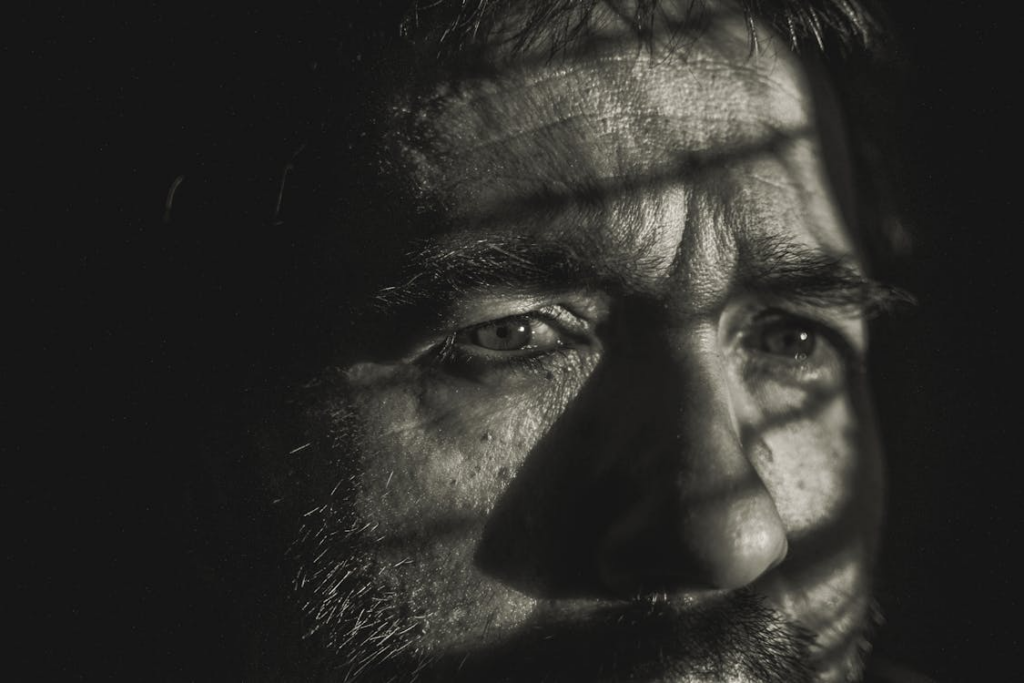
The Memories
Memory is one of the most enduring ways love continues. Long after a person is gone, their influence and the lessons they taught remain. The values they upheld and the moments of joy shared continue to shape daily life.
Men may find comfort in tangible reminders, such as a photograph, a keepsake, or a cherished object that evokes shared memories. Others may prefer subtler methods. They might quietly reflect on lessons learned, recall shared jokes, or honour anniversaries in private. Both approaches are valid and meaningful.
Creating new traditions alongside old memories can also be a healing experience. Visiting a place of significance, making a donation in memory, or dedicating personal achievements to a loved one can be a meaningful way to honour their legacy. These actions help you accept grief and live with it in a healthy way.
Caring for Mental Health
Grief affects more than just emotions. It can impact physical health, relationships, and overall well-being. Feelings of anxiety, restlessness, irritability, or difficulty sleeping are common. It’s important to acknowledge them rather than ignore them. Seeking support is a sign of strength, not a sign of weakness. It can include counselling, support groups, or confiding in trusted friends. Regular exercise, balanced nutrition, and quiet reflection can stabilise mood and support recovery.
Paying attention to mental health during this time is essential. Small steps, like a 10-minute walk or talking openly with someone trusted, can make a significant difference. Over time, they help men cope with grief more effectively.
Rebuilding Life at Your Own Pace
Rebuilding after loss does not mean forgetting. It means learning to live alongside absence. At the same time, it involves honouring memories while gradually returning to life. Small steps, like sharing feelings, reconnecting with friends, or enjoying hobbies. It can help restore balance and a sense of control.
Men may need more time to rebuild, often doing it quietly. Patience and steady effort matter, and progress will not always move forward. Some days will feel harder than others. Setbacks are normal and should be accepted without self-blame.
Connection and Support
Even when grieving alone, connection remains essential. Sharing experiences with others, even in small ways, can reduce isolation and foster understanding. Men often benefit from peer support, whether in groups, online communities, or informal networks of friends and acquaintances. Discussing shared experiences can provide both validation and relief. It reminds men that they are not alone in facing grief.
Sometimes, connection can be as simple as maintaining a routine of regular phone calls with family or checking in with a friend. These small connections can be stabilising anchors during turbulent times.

Carrying Love Forward
Grief does not diminish love. Even in silence, the influence of a lost loved one endures. Memories, values, and the subtle ways they continue to shape life keep their presence alive. Carrying love forward means integrating remembrance into daily life and creating a sense of meaning. It also means allowing the past to inform, but not dictate, the future.
Men may choose to honour love through ongoing acts of kindness. It can include preserving traditions, mentoring younger family members, volunteering, or sharing memories. By actively remembering, grief becomes a testament to connection rather than only a source of sorrow.
Final Thoughts
Grieving alone does not mean grieving without hope. Men facing loss may find solace in reflection, support, and intentional acts of remembrance. Healing is gradual, memory is profound. Emotional strength comes not from stoicism but from recognising feelings.
Even in silence, love endures. Acknowledging grief, seeking support when needed, and pausing to consider the consequences before making decisions. A compassionate funeral director will guide you through tough times. They rebuild your life, carry forward with love and quiet strength.