

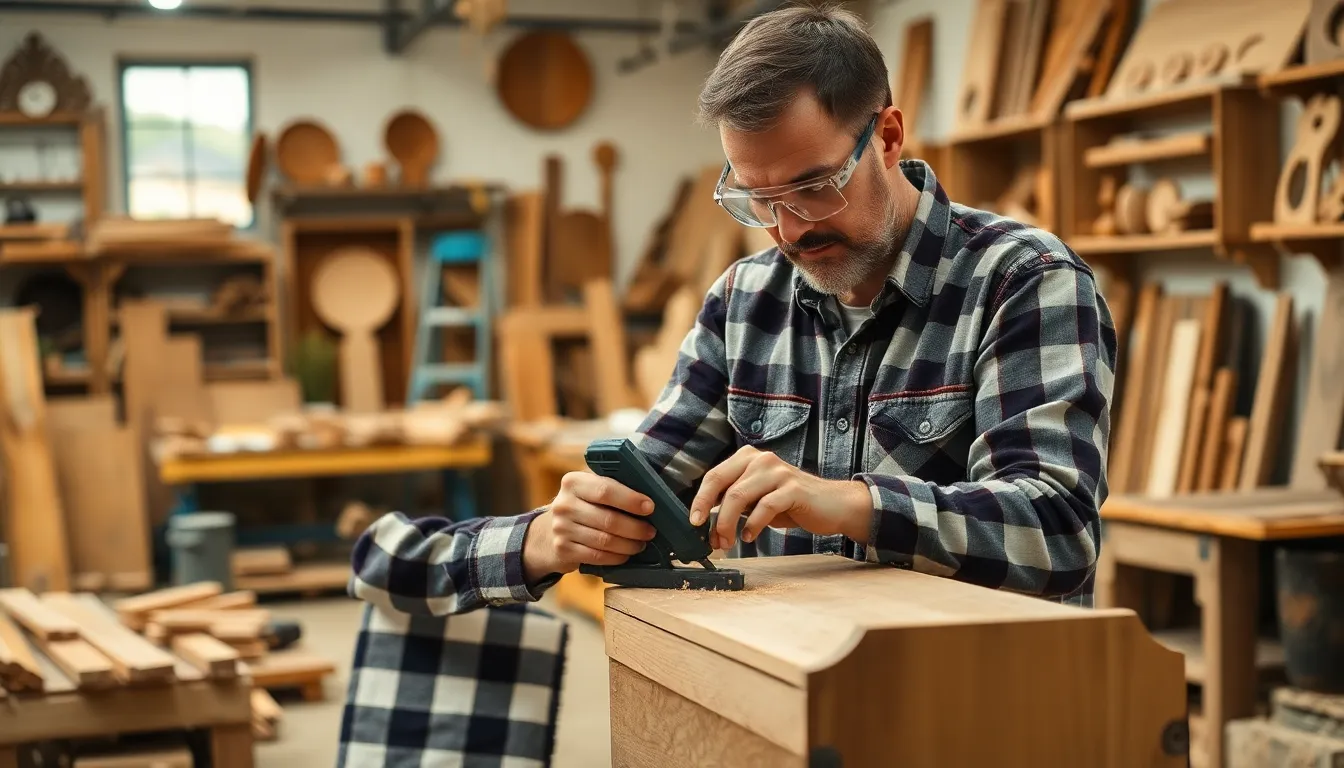

In a world filled with mass-produced items that scream “I was made in a hurry,” quality craftsmanship stands out like a well-tailored suit at a pajama party. It’s the art of creating something that not only looks good but feels good too. Whether it’s a handcrafted piece of furniture or a meticulously designed watch, true craftsmanship tells a story that factory-made products simply can’t match.
Quality Craftsmanship
Quality craftsmanship defines the excellence in the creation of products through skilled techniques and meticulous attention. Such craftsmanship transcends mere functionality, embodying artistry and dedication.
Definition of Quality Craftsmanship
Quality craftsmanship refers to the skillful artistry involved in producing handmade items, marked by precision and detail. It emerges from the integration of traditional methods with modern innovations, allowing for uniqueness in every piece. Furniture, jewelry, and intricate tools exemplify this concept, showcasing the creator’s commitment to perfection. Each product reflects the maker’s values and passion, resulting in work that stands apart from mass-produced alternatives.
Importance of Quality in Craftsmanship
Quality plays a crucial role in craftsmanship by ensuring durability, aesthetic appeal, and emotional connection. Customers often prefer handcrafted items for their superior longevity compared to factory-made equivalents. Skilled artisans prioritize quality by selecting premium materials and employing time-honored techniques, contributing to each item’s story. Such dedication fosters trust between makers and consumers, setting a standard for products that outlast trends and withstand the test of time. Quality craftsmanship, therefore, cultivates a deeper appreciation for artistry and the value of handmade goods.
Elements of Quality Craftsmanship

Quality craftsmanship hinges on specific foundational elements that elevate handmade products. Understanding these elements underscores the difference between handcrafted items and mass-produced goods.
Materials Used
Premium materials define quality craftsmanship. Artisans select hardwoods like oak and walnut for furniture, ensuring durability and natural beauty. They also opt for fine metals, like stainless steel or bronze, in watches to resist wear and maintain aesthetic appeal. Using natural fibers such as wool or cotton strengthens textiles, enhancing their longevity. Environmentally friendly materials also reflect a commitment to sustainability. These choices not only affect the product’s performance but also contribute to its story, allowing consumers to appreciate the connection to tradition and craftsmanship.
Techniques and Skills
Techniques and skills play a critical role in quality craftsmanship. Mastery of traditional methods, such as joinery or hand-stitching, showcases an artisan’s dedication to their craft. Each technique requires precision, enhancing both beauty and functionality. Skilled artisans employ innovative approaches, adapting to modern needs without compromising heritage. Attention to detail remains paramount throughout the creation process. Each item undergoes meticulous finishing touches, reflecting the artisan’s passion and expertise. Every step demonstrates a level of craftsmanship that ensures unique pieces resonate with their narratives and value.
The Impact of Quality Craftsmanship
Quality craftsmanship enhances the value of products, enriching consumer experiences. This impact resonates in various aspects of daily life.
Benefits to Consumers
Consumers enjoy numerous benefits from purchases of handcrafted items. Durability stands out, as quality craftsmanship ensures products withstand wear over time. Aesthetic appeal also captivates buyers, with unique designs reflecting individual style. Emotional connections form as people appreciate the stories behind each handcrafted piece. When artisans practice their skills, they create items that embody personal values, leading to deeper satisfaction. Additionally, environmentally friendly materials used in production align with eco-conscious consumer preferences, promoting sustainable choices in everyday living.
Economic Implications
Quality craftsmanship plays a significant role in the economy. Handcrafted goods often command higher prices than mass-produced items, supporting fair wages for artisans. Local economies benefit as consumers increasingly choose to invest in handmade products. Increased demand for quality craftsmanship boosts local businesses, fostering a sense of community. This shift also encourages the preservation of traditional skills and techniques, promoting cultural heritage. Artisans contribute to job creation in their regions, ensuring economic stability through their unique creations.
Examples of Quality Craftsmanship
Quality craftsmanship is evident in numerous forms, reflecting skill and artistry. It encompasses both traditional methods and modern-day innovations.
Traditional Craftsmanship
Traditional craftsmanship emphasizes time-honored techniques and materials. Woodworkers, for example, rely on hardwoods to create enduring furniture. Each piece often involves intricate joinery, showcasing the artisan’s expertise. Blacksmiths forge metal tools with precision, ensuring durability and functionality. Artisans also hand-stitch leather goods, maintaining old-world practices that enhance quality. Notable examples include handcrafted violins, which require years of meticulous effort to master. Such craftsmanship not only produces goods but also preserves cultural heritage.
Modern Interpretations
Modern interpretations of craftsmanship merge creativity with technology. Innovative artisans use sustainable materials like bamboo and reclaimed wood, reflecting eco-conscious choices. Many employ digital tools in design processes, enhancing precision while keeping a personal touch. Customization plays a significant role in modern craftsmanship, with makers tailoring products to individual customer preferences. Craft breweries exemplify this trend, where brewers create distinctive flavors influenced by local ingredients. These contemporary approaches maintain the spirit of craftsmanship while adapting to evolving consumer demands. Quality craftsmanship today blends tradition with innovation, creating unique products for discerning buyers.
Conclusion
Quality craftsmanship stands as a testament to the value of human skill and creativity in an era of mass production. The dedication of artisans not only results in unique and durable products but also fosters a deeper connection between the maker and the consumer. By choosing handcrafted items, individuals support sustainable practices and local economies while embracing the stories woven into each piece.
As the market shifts towards appreciating the artistry behind handmade goods, the impact of quality craftsmanship becomes increasingly significant. It enriches lives with distinctive creations that resonate on both emotional and aesthetic levels, ensuring that these timeless treasures continue to thrive in a rapidly changing world.