

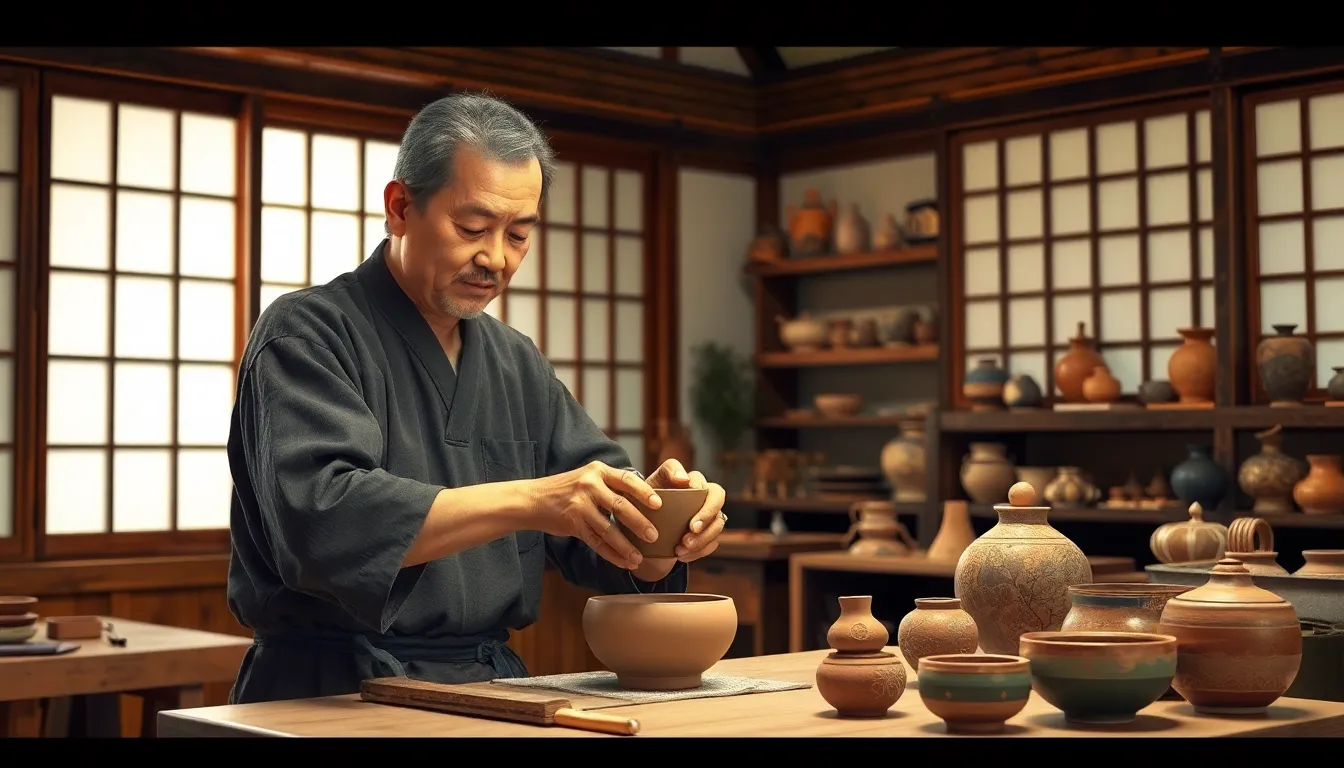

Japanese craftsmanship isn’t just about making things; it’s an art form that weaves together tradition, precision, and a sprinkle of magic. Imagine a world where every object tells a story, from the delicate curves of a tea bowl to the sturdy lines of a katana. Each piece reflects years of dedication and an unwavering commitment to quality that makes you wonder if the artisans have superpowers.
But it’s not all serious business. These craftsmen have a knack for turning everyday items into extraordinary treasures, proving that even a humble wooden spoon can be a work of art. So whether you’re a fan of stunning ceramics or intricate textiles, dive into the enchanting realm of Japanese craftsmanship and discover why these creations are more than just objects—they’re a celebration of culture, history, and a whole lot of heart.
Japanese Craftsmanship
Japanese craftsmanship embodies a blend of tradition and meticulous attention to detail. This art form reflects a rich cultural heritage and the dedication of artisans to elevate everyday objects.
Historical Background
Japan’s craftsmanship has deep roots, stretching back centuries to the Jomon period, around 14,000 BC. During this time, early artisans created pottery and tools, laying the foundation for future artistic expressions. In the Edo period, between 1603 and 1868, craftsmanship flourished, with an emphasis on specialized skills and regional styles. Notably, this era saw the rise of iconic crafts such as ceramics and textiles, each showcasing unique techniques and regional characteristics. Over time, these traditions have been passed down through generations, preserving techniques while adapting to contemporary needs.
Traditional Techniques
Artisans in Japan employ a variety of traditional techniques that highlight their expertise. Pottery often utilizes the Raku technique, known for its unique firing process that accentuates natural variations. In textile production, methods like indigo dyeing enhance the richness of colors and patterns. Woodworking artisans apply techniques such as joinery without nails, ensuring durability and beauty. Additionally, metalworkers craft katanas using a folding method to achieve strength and sharpness. These techniques, developed over centuries, not only demonstrate skill but also reflect a deep appreciation for materials and nature.
Key Elements of Japanese Craftsmanship
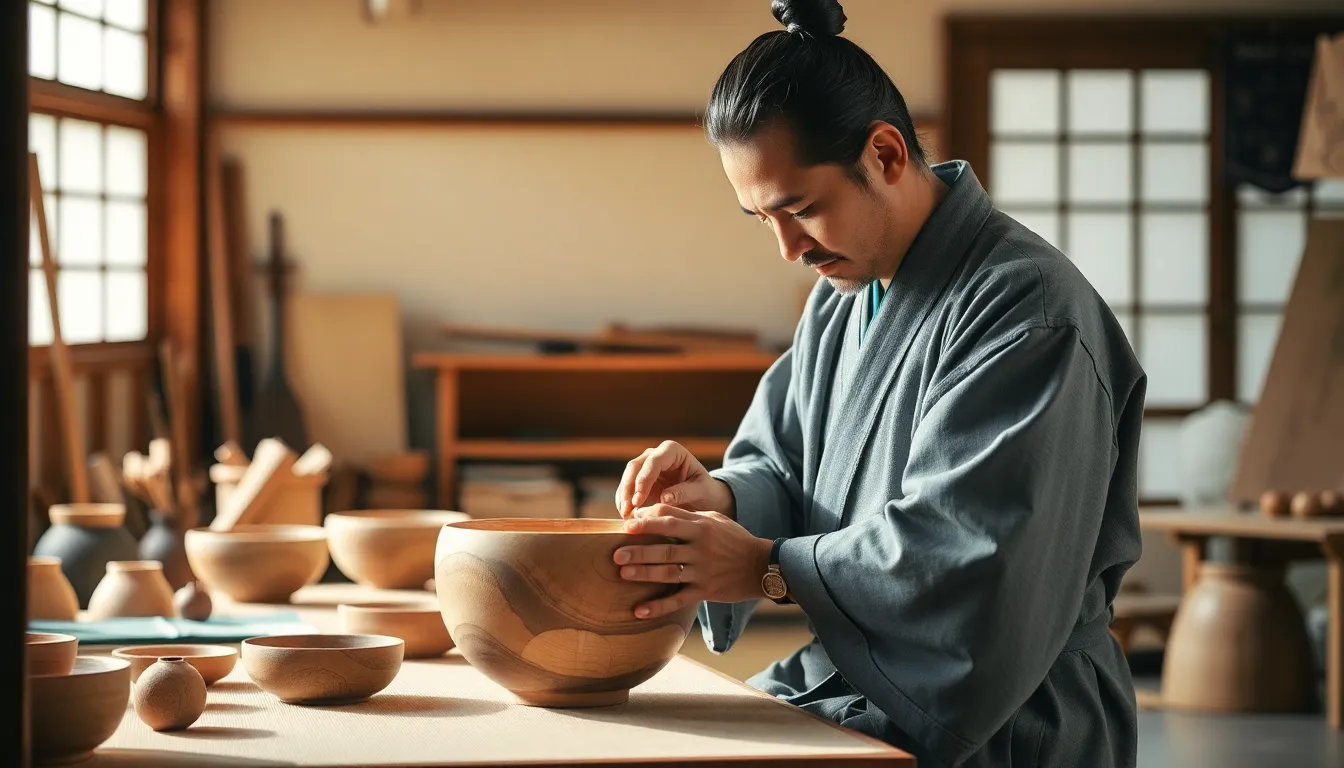
Japanese craftsmanship embodies several key elements that define its uniqueness and excellence. Attention to detail and the use of natural materials stand out as quintessential characteristics.
Attention to Detail
Attention to detail distinguishes Japanese craftsmanship from others. Artisans meticulously refine every aspect of their work, ensuring precision in each creation. Techniques like Kintsugi emphasize this focus by highlighting imperfections, transforming flaws into beauty. Craftspeople often measure and cut materials with exactness, which enhances both functionality and aesthetics. Each piece, whether a ceramic bowl or a wooden joinery, showcases meticulous care throughout the crafting process. Intricate designs may adorn surfaces, reflecting the artisan’s dedication and skill. This reverence for detail imbues objects with a profound sense of artistry.
Use of Natural Materials
Natural materials receive a prominent place in Japanese craftsmanship. Many artisans select wood, clay, and fabrics sourced from the surrounding environment. This choice not only respects nature but also enhances the authenticity of each item. Wood from local trees brings warmth and character, while clay offers not only versatility but also a connection to the earth. Dyes, like those from indigo plants, embody traditional methods that promote sustainability. These materials undergo careful treatment, allowing artisans to accentuate their inherent beauty. The synergy between craftsmanship and nature fosters a deeper appreciation for the artistic process.
Notable Japanese Crafts
Japanese craftsmanship encompasses various art forms that reflect tradition and skill. Each craft tells a story of cultural significance and artistic expression.
Pottery and Ceramics
Pottery in Japan dates back thousands of years. Techniques used by artisans often include Raku, enhancing the glazing process. Many ceramics, like Arita and Imari, showcase intricate designs and vibrant colors. Local clays contribute to the unique character of each piece. Potters embrace imperfections and create beauty through natural firing methods. Specific regional styles highlight the diversity within this craft, emphasizing both aesthetics and functionality.
Textile Arts
Textile arts in Japan exhibit a rich tapestry of history and tradition. Techniques such as indigo dyeing and kanoko shibori produce stunning patterns on fabric. Kimono, one of the most recognizable textiles, embodies intricate craftsmanship with detailed stitching. Many artisans specialize in weaving and dyeing, ensuring each piece tells a story. Seasonal motifs and regional styles play a vital role, connecting garments to cultural celebrations. The harmony of colors and textures enhances the overall craftsmanship, offering timeless elegance.
Woodwork and Joinery
Woodwork in Japan stands out for its precision and beauty. Artisans often employ nail-free joinery methods, ensuring strength while maintaining an elegant appearance. Each piece of furniture or structure reflects a deep understanding of wood characteristics. Techniques like urushi lacquer further enhance the durability and visual appeal. Many craftsmen preserve traditional methods, passing down skills through generations. The use of sustainable materials fosters a connection to nature, highlighting the importance of environmental stewardship in Japanese artistry.
The Influence of Japanese Craftsmanship Today
Japanese craftsmanship continues to shape modern design and culture across the globe. Its blend of tradition and innovation captivates artisans and designers worldwide.
Global Recognition
Internationally, Japanese craftsmanship garners respect for its meticulous techniques and aesthetic values. Many craftsmen gain recognition through prestigious awards and exhibitions, showcasing their mastery in fields like pottery, textiles, and woodworking. Countries around the world now look to Japanese craftsmanship as a source of inspiration. Notable events such as the Tokyo Olympics spotlighted traditional crafts, drawing global attention. Media coverage amplifies this recognition, allowing audiences to appreciate the depth of skill involved. Familiarity with Japanese swords and pottery fosters a greater appreciation for the dedication and artistry that underpin these creations.
Preservation of Cultural Heritage
Cultural heritage preservation remains a cornerstone of Japanese craftsmanship. Artisans actively engage in traditional practices, ensuring techniques are passed down through generations. Workshops and schools teach these skills to young artists, maintaining the integrity of craft. Efforts, such as the National Living Treasure system, recognize masters of traditional arts, further encouraging this preservation. Festivals highlighting local crafts play a significant role in celebrating cultural significance, drawing communities together. Furthermore, contemporary creators often reinterpret traditional methods, merging them with modern design, which honors historical roots while inviting fresh perspectives. Each crafted piece serves as a testament to the enduring legacy of Japanese craftsmanship.
Conclusion
Japanese craftsmanship stands as a testament to the enduring power of tradition and artistry. Its ability to transform simple materials into extraordinary creations showcases a deep respect for both heritage and nature. Each piece crafted carries with it a story of dedication and skill, inviting admiration from around the world.
As artisans continue to innovate while honoring age-old techniques, the global appreciation for Japanese craftsmanship only grows. This rich cultural heritage not only influences modern design but also fosters a sense of connection to the environment and community. The legacy of these crafts will undoubtedly inspire future generations, ensuring that the beauty of Japanese craftsmanship remains alive and vibrant.