

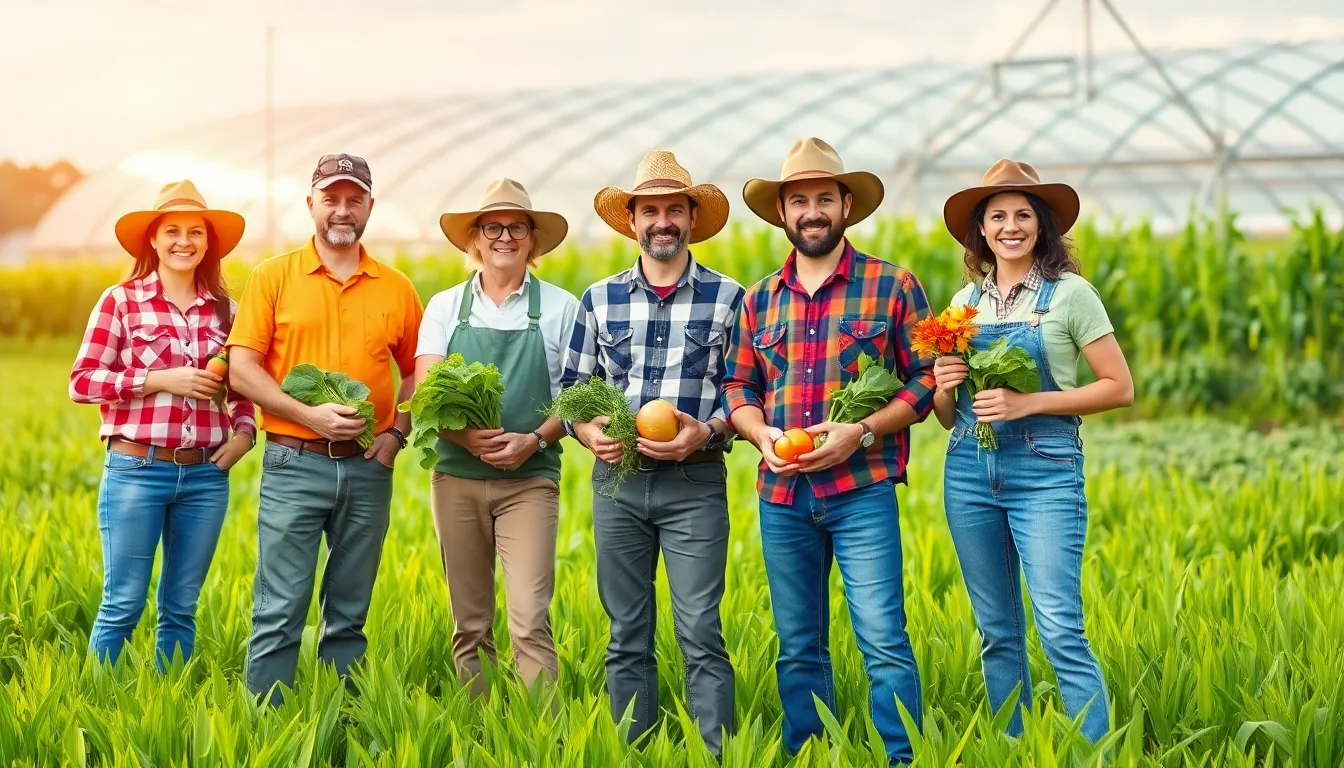

In a world where farm-to-table isn’t just a trend but a lifestyle, farming companies are the unsung heroes behind our meals. They’re like the superheroes of the agricultural realm, battling pests and weather while ensuring fresh produce lands on our plates. But let’s be honest—farming isn’t all sunshine and rainbows. It’s a gritty business that requires grit, innovation, and a whole lot of elbow grease.
From high-tech greenhouses to sustainable practices that make Mother Nature proud, these companies are redefining what it means to grow food. With a dash of humor and a sprinkle of hard work, they’re cultivating not just crops but also a future where food is abundant and sustainable. So buckle up as we dig deep into the fascinating world of farming companies, where hard work meets innovation and a little bit of fun.
Farming Companies
Farming companies play a vital role in the agricultural sector, shaping food systems and ensuring efficient production. These entities range from small family-owned farms to large corporate agribusinesses, each contributing uniquely to the industry. Innovations such as precision farming and biotechnology are frequently adopted, allowing farmers to increase yields while minimizing resource use.
Sustainable practices often define the operations of many farming companies. Techniques like crop rotation, cover cropping, and integrated pest management help maintain soil health and environmental balance. Considerable attention goes into reducing waste and enhancing biodiversity, addressing public concerns over food safety and environmental impact.
High-tech greenhouses serve as a key focus for numerous firms, offering controlled environments for year-round production. These facilities maximize resource efficiency, enabling farmers to grow produce regardless of external weather conditions. Indoor farming methods are on the rise, showcasing vertical farming as a solution to urban food production challenges.
Challenges abound for farming companies, from pests to climate variability. Tough weather patterns can severely impact crop viability, leading to economic strain. Despite these hurdles, resilience remains a hallmark of the industry. Companies adapt through research and development, exploring strategies to overcome obstacles.
Strategic partnerships within the supply chain help these firms enhance their operations. Collaborations with research institutions aid in developing new technologies and methodologies. By leveraging shared resources, farming companies improve their competitive edge and contribute to food security.
Investment in education and training underscores the commitment of farming companies to the workforce. Providing skill development ensures a knowledgeable labor pool capable of embracing new technologies. This focus on human capital drives innovation and enhances productivity across the sector.
Types of Farming Companies
Farming companies fall into several distinct categories, each contributing to the agricultural landscape. Understanding these types highlights their unique roles and practices.
Crop Farming Companies
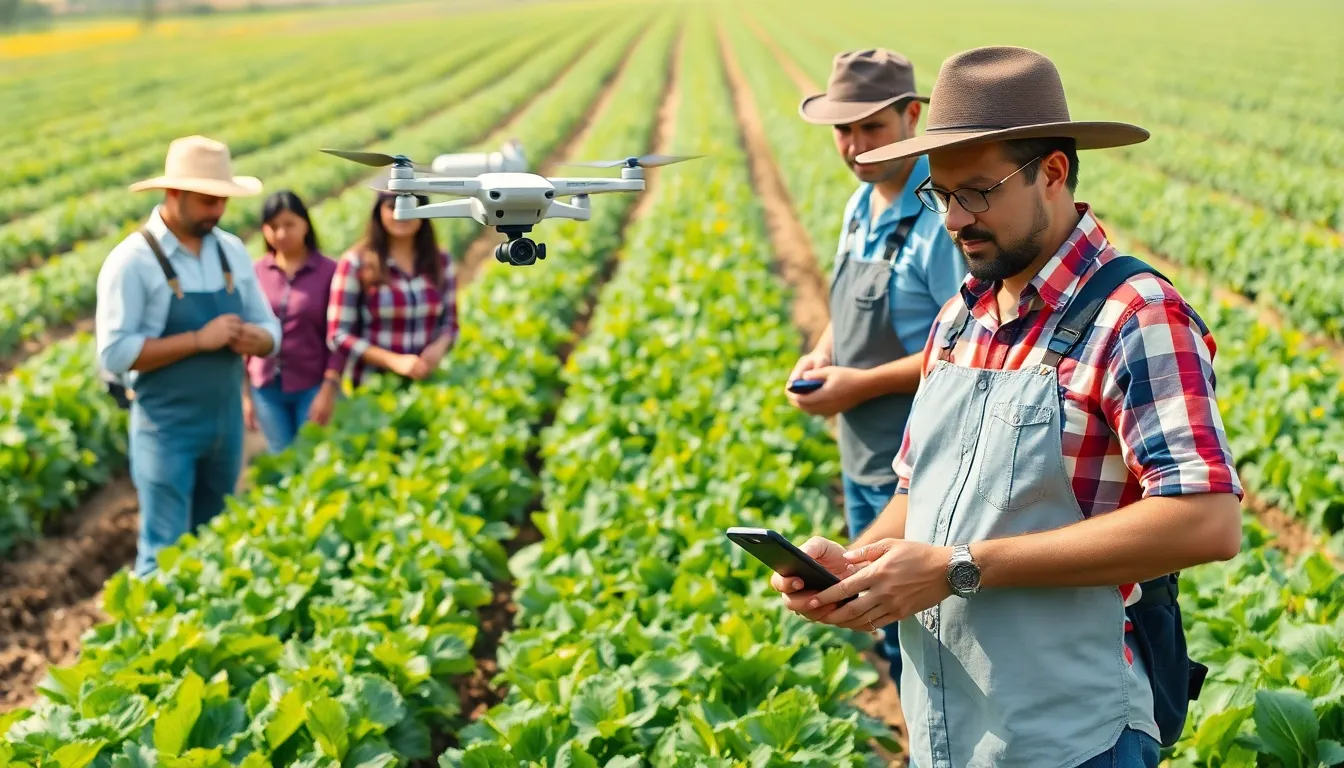
Crop farming companies focus primarily on growing plants for food and raw materials. They cultivate various crops, including grains, fruits, and vegetables. These companies often utilize innovative techniques such as precision agriculture for optimal yield. Many invest in technology like drones and soil sensors to enhance productivity while minimizing environmental impact. Crop rotation and cover cropping practices are common methods employed to maintain soil health. Overall, these companies play a significant role in feeding populations and shaping local economies.
Livestock Farming Companies
Livestock farming companies specialize in raising animals for meat, dairy, and other by-products. These companies include beef cattle, poultry, and dairy farms. Some employ extensive management systems to improve animal welfare and production efficiency. Many also adopt sustainable practices, such as rotational grazing, to enhance pasture health and reduce feed input. The industry heavily integrates veterinary care to ensure animal health and safety, reflecting a growing public concern related to food sourcing and ethics. Livestock farming remains crucial for meeting global protein needs.
Organic Farming Companies
Organic farming companies emphasize sustainable practices and chemical-free farming methods. They grow organic crops and raise livestock without synthetic fertilizers or pesticides. Certification from recognized bodies ensures compliance with organic standards. Many organic farms focus on biodiversity and crop rotation to maintain ecosystem balance. These companies often tap into niche markets, appealing to health-conscious consumers. The rising demand for organic products significantly influences farming trends, driving methods that promote environmental health. Sustainability and consumer trust define this sector’s growth strategy.
Key Players in the Farming Industry
Farming companies significantly influence food systems worldwide. They range from well-established giants to innovative startups, each contributing uniquely to agriculture.
Established Farming Giants
Established farming giants lead the industry in production and technology. Companies like Cargill and Archer Daniels Midland have invested heavily in precision agriculture, maximizing yields while conserving resources. These corporations often engage in global supply chains, ensuring consistent access to food products. Their substantial market presence allows them to invest in research and development, driving innovations that benefit the entire sector. With vast land holdings and advanced technology, these giants play a pivotal role in shaping modern agriculture.
Up-and-Coming Startups
Up-and-coming startups are redefining the farming landscape. Innovative companies, such as Bowery Farming and Plenty, focus on vertical and indoor farming techniques. These enterprises prioritize sustainability by using significantly less water and land compared to traditional farming methods. Startups also harness technology, utilizing data analytics and automation to enhance productivity. Their commitment to organic practices appeals to health-conscious consumers, promoting a shift towards cleaner food production. By addressing urban food challenges, these new players are crucial in developing resilient and sustainable agricultural practices.
Challenges Faced by Farming Companies
Farming companies encounter several obstacles that impact their operations and sustainability efforts. Environmental factors and economic pressures significantly shape their ability to produce crops and raise livestock.
Environmental Concerns
Climate change presents challenges for farming companies through shifting weather patterns and increased pest pressure. Water scarcity affects irrigation practices, forcing companies to adopt more efficient management techniques. Soil degradation, arising from overuse of chemicals, impacts crop health and yield. Sustainable practices become essential to mitigate environmental issues, such as implementing crop rotation and reducing chemical inputs. Agriculture’s contribution to greenhouse gas emissions raises public awareness, prompting companies to seek eco-friendly alternatives.
Economic Pressures
Market volatility influences farming companies directly, affecting prices for crops and livestock. Fluctuations in demand can reduce profit margins, particularly for smaller farms. Higher production costs emerge from inputs like seeds, fertilizers, and labor, squeezing financial resources further. Competition from international markets complicates pricing strategies, making it challenging for local farmers to remain competitive. Access to capital becomes crucial when investing in technology and infrastructure, yet obtaining funding can be difficult. These economic pressures compel farming companies to innovate and adapt continually.
Conclusion
Farming companies are pivotal in shaping the future of food production. Their commitment to innovation and sustainability not only addresses current challenges but also paves the way for a more resilient agricultural landscape. By adopting advanced technologies and eco-friendly practices, these companies ensure that food systems remain efficient and sustainable.
As they navigate the complexities of climate change and market pressures, their adaptability and dedication to quality will continue to play a crucial role in feeding the growing global population. The ongoing evolution within this sector reflects a promising future for agriculture, where collaboration and creativity will drive progress.