

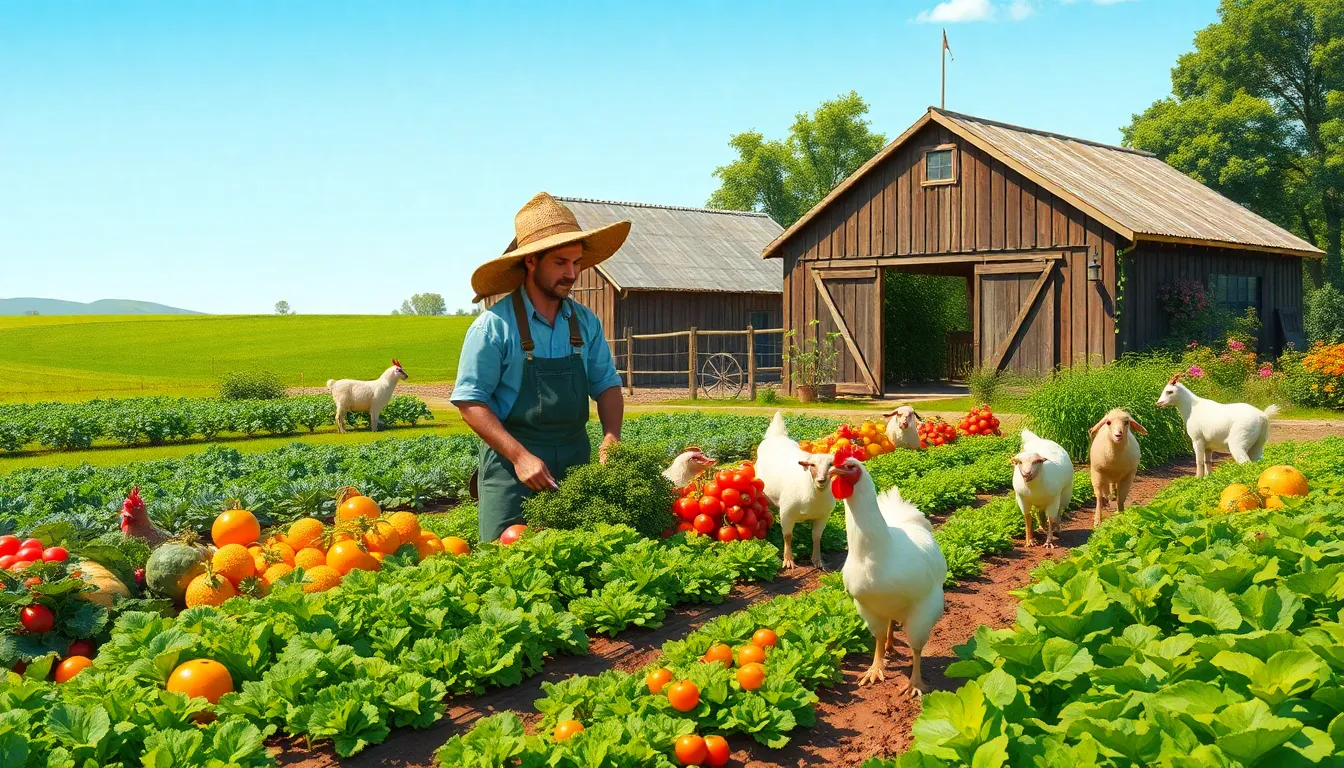

In a world where farming often feels like a high-stakes game of roulette, diversified farming emerges as the savvy player at the table. Picture this: instead of putting all your eggs in one basket—literally—farmers are mixing it up with a delightful medley of crops and livestock. It’s like a buffet for the land, where variety isn’t just the spice of life; it’s the secret sauce to resilience and profitability.
By embracing a diversified approach, farmers can weather the unpredictable storms of market fluctuations and climate change. It’s not just about growing food; it’s about growing opportunities. So, if you think farming’s only for those with a green thumb, think again. With diversified farming, it’s all about versatility, sustainability, and maybe even a little bit of fun. Who knew that farming could be this exciting?
Diversified Farming
Diversified farming involves the cultivation of multiple crops and livestock species to promote sustainability and resilience. This farming method allows for a more balanced ecosystem, reducing risks associated with market and environmental fluctuations.
Definition and Key Concepts
Diversified farming encompasses various agricultural practices that integrate different types of plants and animals. He or she typically mixes crops such as fruits, vegetables, and grains with livestock like poultry and cattle. This variety enhances soil health and promotes biodiversity, making farms more productive and resilient. Crop rotations and intercropping are common techniques employed. These methods prevent soil depletion, control pests, and improve yields.
Importance in Modern Agriculture
Diversified farming holds significant importance in modern agriculture. Farmers engaging in this practice can mitigate financial risks tied to market fluctuations. He or she benefits from a steady income source as diverse products cater to different markets. This approach also improves food security by fostering a reliable supply of various products. Environmental sustainability plays a key role in diversified farming, as it encourages resource conservation and reduces reliance on chemical inputs. The technique allows producers to adapt more effectively to climate change, enhancing overall farm resilience.
Benefits of Diversified Farming
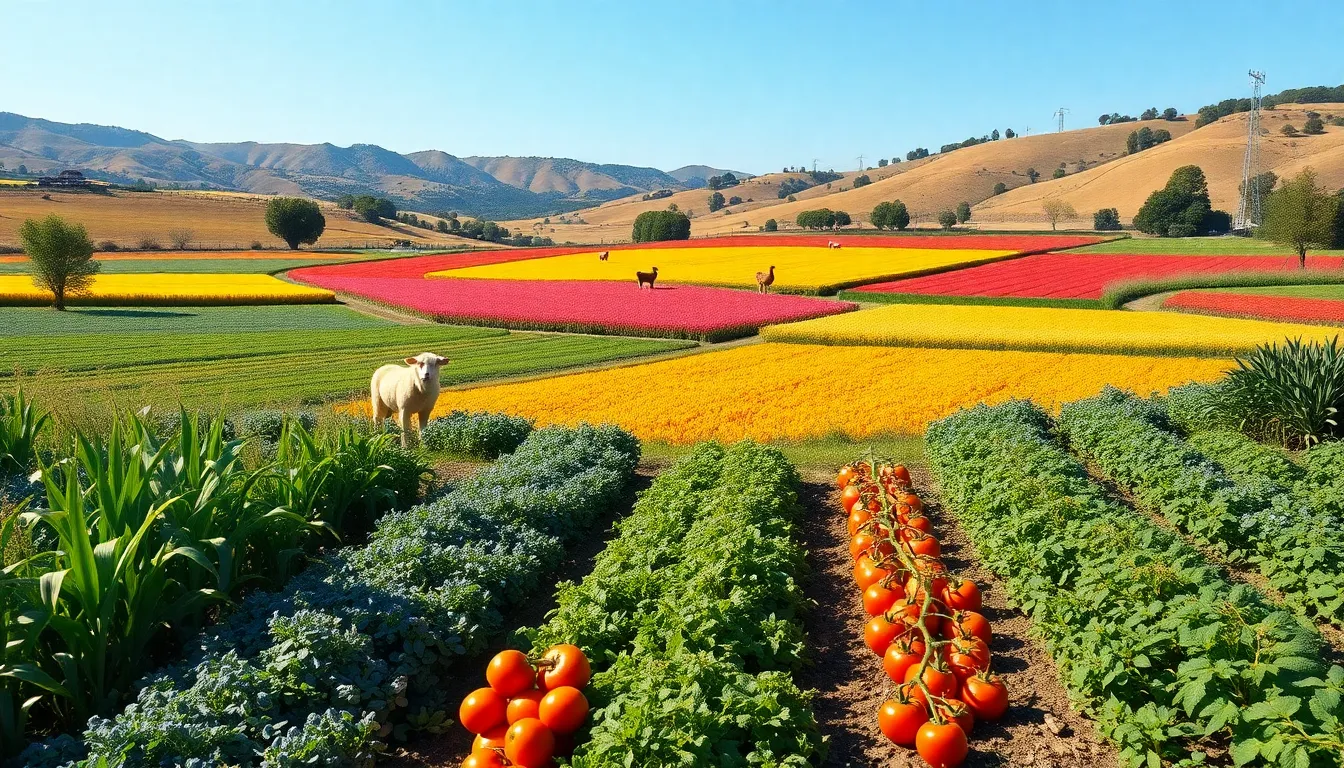
Diversified farming offers numerous benefits that enhance both environmental and economic aspects of agricultural practices. It promotes sustainability while ensuring farmers’ resilience against market and climatic uncertainties.
Environmental Advantages
Diversified farming significantly boosts soil health. By integrating various crops and livestock, farmers can improve soil structure and enhance nutrient cycling. Biodiversity thrives in diversified systems, leading to more effective pest control and reduced reliance on chemical pesticides. Water use becomes more efficient as different root systems promote better moisture retention. Crop rotations and intercropping not only prevent soil depletion but also reduce erosion risks. Local ecosystems benefit from these practices, resulting in a more balanced agricultural environment.
Economic Resilience
Economic stability emerges from diverse farming strategies. Farmers can access multiple markets, which diversifies their income streams. Steady revenue from various products mitigates the impact of price fluctuations seen in single-crop farming. Seasonal variations in harvest ensure consistent cash flow, providing financial security even during challenging economic times. The ability to adapt products according to market demand enhances profitability. Overall, diversified farming models offer a robust framework for navigating the complexities of modern agriculture.
Techniques for Implementing Diversified Farming
Implementing diversified farming involves several techniques that enhance the sustainability and resilience of agricultural practices. Two effective methods include crop rotation and intercropping systems.
Crop Rotation
Crop rotation refers to the practice of growing different crops in a specific sequence over several seasons. This technique improves soil fertility by alternating nutrient demands among crops, which helps prevent soil depletion. Rotating crops, such as legumes with grains, increases nitrogen availability and encourages healthy microbial activity in the soil. Pests and diseases struggle to establish themselves with this method, leading to reduced chemical pesticide use. Crop rotation also optimizes yields, as different crops thrive under various conditions, ensuring farmers can maximize their harvests.
Intercropping Systems
Intercropping systems involve planting two or more crops in proximity to each other. This method enhances biodiversity by creating a complex ecosystem, which promotes natural pest control and improves overall soil health. Strategic combinations, like pairing legumes with cereals, allow crops to share resources such as nutrients and water efficiently. Farmers gain from increased resilience against diseases and climate variability through intercropping practices. This approach also diversifies production, ensuring access to multiple markets and potentially boosting farm income.
Challenges in Diversified Farming
Diversified farming presents several challenges that farmers must navigate to maximize its potential benefits. Effective management and access to markets pose significant obstacles.
Management Complexity
Management complexity arises from juggling multiple crops and livestock species. Farmers often face difficulty coordinating planting and harvesting schedules for various products. Resource allocation becomes challenging when balancing labor, equipment, and financial investments. Time management becomes crucial since diverse farming requires constant attention to different crops’ needs. Losses in one area may occur due to pests, diseases, or adverse weather conditions impacting another. Customizing practices for every crop may lead to inefficiencies and complications in day-to-day operations. Effectively managing these complexities necessitates a well-defined strategy and ongoing education.
Market Access Issues
Market access issues can hinder the success of diversified farming. Farmers may struggle to identify suitable markets for each product. Limited connections to distributors can restrict the sale of perishable items, resulting in potential waste. Competing with larger agricultural operations may suppress profit margins for small farmers. Pricing variability across different products often complicates financial planning. Understanding market demand and trends is essential for making informed decisions on crop selection and livestock rearing. Developing relationships with local consumers and retailers fosters better access to diverse market opportunities. Various marketing strategies may enhance visibility and improve sales outcomes.
Case Studies of Successful Diversified Farms
One notable example of successful diversified farming is Stone Barns Center for Food and Agriculture in New York. This farm employs a variety of fruits, vegetables, and livestock, which boosts its ecological resilience and allows it to thrive financially. With practices such as crop rotation and managed grazing, the center maintains healthy soil and supports biodiversity, demonstrating effective resource management.
Another inspiring case is Polyface Farm in Virginia. Joel Salatin, the farm’s owner, uses a holistic approach that integrates cattle, pigs, and poultry. By allowing livestock to cycle through pastures, he ensures that grasslands remain productive while enriching the soil. This method attracts eco-conscious customers, enhancing the farm’s profitability.
In California, Full Belly Farm exemplifies community-supported agriculture (CSA) through its diverse offerings. The farm grows over 70 types of fruits and vegetables, providing seasonal produce to local consumers. This model not only reduces food miles but also strengthens local economies by fostering connections between farmers and consumers.
Moreover, Blue Hill Farm in Massachusetts highlights the importance of culinary diversity. The farm collaborates with local chefs to showcase its diverse crops. This partnership enhances market visibility and enables the farm to command premium prices for its unique produce, emphasizing the added value of diversified farming.
Lastly, the Raintree Farm in Oregon successfully illustrates a permaculture approach. By integrating bees, herbs, and vegetables, the farm creates a self-sustaining ecosystem that thrives on minimal outside inputs. This approach highlights the potential of diversified farming to achieve sustainability while yielding high-quality products for niche markets.
These case studies underscore the versatility and effectiveness of diversified farming practices across various regions and market strategies.
Conclusion
Diversified farming stands out as a powerful strategy for modern agriculture. By embracing a mix of crops and livestock, farmers can significantly enhance their resilience and profitability. This approach not only promotes environmental sustainability but also fosters economic stability through varied income streams.
The success stories of farms that have adopted diversified practices demonstrate the potential for innovation and adaptability in agriculture. As farmers navigate the challenges of climate change and market fluctuations, diversified farming offers a viable path forward. It encourages a holistic view of farming that benefits not just the land but also local communities and economies. Embracing this method could be the key to a more sustainable and profitable future in agriculture.