

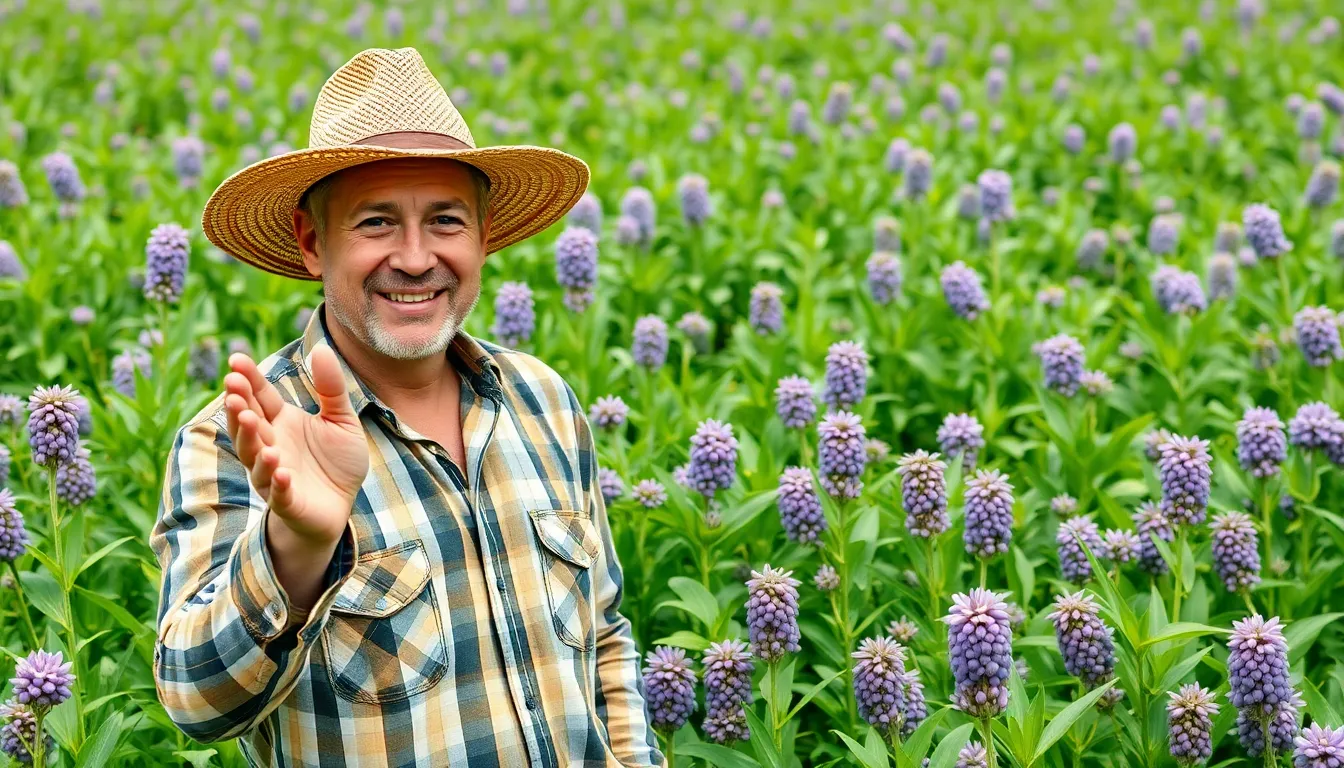

Chia farming might sound like a quirky hobby straight out of a health enthusiast’s dream, but it’s quickly becoming a serious contender in the agricultural world. Imagine cultivating tiny seeds that pack a punch of nutrition and can sprout into a superfood sensation. Who wouldn’t want to grow something that’s not only good for you but also looks great on social media?
Chia Farming
Chia farming has gained significant traction due to the crop’s dual benefits. Cultivators appreciate the nutritional value of chia seeds, which contain omega-3 fatty acids, fiber, and antioxidants. Farmers report ease of growth, as chia plants thrive in a variety of climates and require minimal water.
In terms of land use, chia requires less space compared to other crops, making it an appealing option for small-scale farmers. The plant typically grows to a height of 3 to 4 feet, displaying vibrant green foliage that turns into clusters of beautiful purple or white flowers. These visual aspects add an aesthetic appeal to farms, enhancing their attractiveness for social media.
Growers often cite the versatility of chia as a major advantage. Its seeds can be incorporated into various products, such as health bars, smoothies, and baked goods. This versatility increases market demand, allowing farmers to reach diverse consumer groups.
Chia farming also contributes to sustainable agricultural practices. The crop’s ability to naturally amend soil and reduce erosion aligns with eco-friendly farming methods. These properties make it a preferred choice for those focused on environmentally conscious cultivation.
Profit margins in chia farming tend to be favorable within the burgeoning health foods market. Many farmers find that investing in chia yields financial returns that align with consumer trends emphasizing health and wellness.
Successful chia farming requires adherence to best practices, including proper planting techniques and crop rotation. Engaging with local agriculture extensions can provide farmers with resources needed to maximize yield and manage pests effectively.
Benefits of Chia Farming
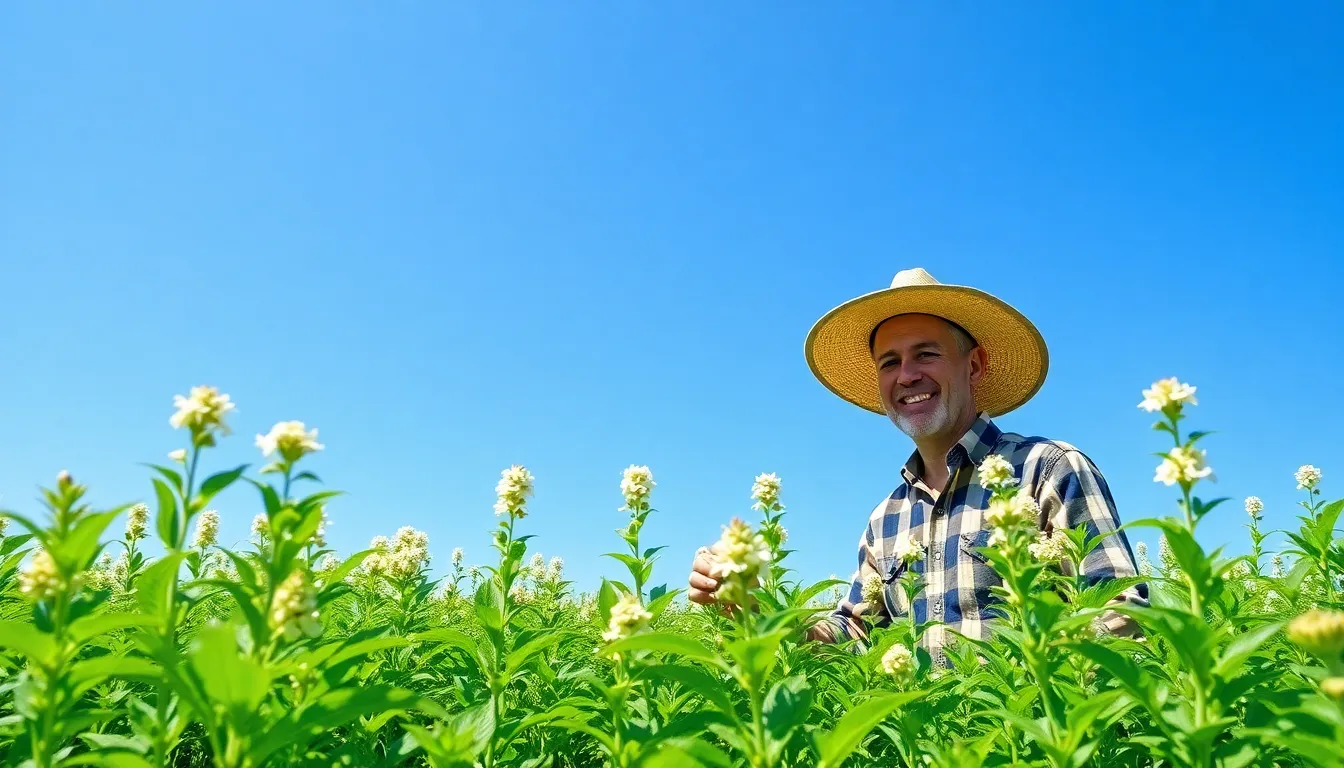
Chia farming offers multiple advantages, especially appealing to health-conscious consumers and environmentally aware farmers. These benefits highlight its role in sustainable agriculture.
Nutritional Advantages
Chia seeds provide significant health benefits. Rich in omega-3 fatty acids, fiber, and antioxidants, these seeds contribute to improved heart health and digestive function. Incorporating chia into diets can support weight management due to its high satiety. They serve as a versatile ingredient in smoothies, salads, and baked goods. Research has shown that regular chia consumption can enhance overall wellness and reduce inflammation. The growing popularity of these seeds aligns with consumer trends favoring natural, nutrient-dense foods.
Environmental Impact
Chia farming promotes sustainable agricultural practices. It requires less water compared to many traditional crops, making it a suitable option for arid regions. The plant naturally improves soil health by adding nutrients when broken down. Farmers can reduce erosion and enhance biodiversity on their lands through diverse planting strategies. Minimal pesticide use further supports ecological balance. As such, chia cultivation fits well within environmentally friendly farming initiatives, appealing to consumers focused on sustainability.
Chia Farming Practices
Chia farming demands specific practices to ensure optimal yields and sustainable growth. Recognizing soil and planting techniques provides farmers with foundational knowledge for successful cultivation.
Soil Requirements
Soil quality plays a crucial role in chia farming. Well-draining soil with a pH level between 6.0 and 8.0 supports healthy plant growth. Organic matter improves soil fertility, enhancing nutrient availability. Loamy or sandy soils are preferable as they prevent waterlogging, which chia plants can’t tolerate. Testing soil regularly ensures balanced nutrients, particularly phosphorus and potassium, needed for robust growth. Amending the soil with compost contributes beneficial microbes, fostering a thriving ecosystem. Farmers should consider these vital factors to develop a strong foundation for chia crops.
Planting Techniques
Effective planting techniques influence chia farming success. Direct seeding into prepared beds promotes optimal germination and growth. Broadcasting seeds allows for a quick spread, while row planting ensures even spacing. Seeds should be planted at a depth of 0.8 to 1.2 inches, allowing for adequate moisture absorption. Timing matters; planting during warm soil conditions maximizes germination rates. Crop rotation further enhances soil health and reduces pest risks. Watering right after planting ensures seeds settle in without disturbance. Implementing these techniques supports thriving chia plants capable of high yields.
Harvesting and Processing Chia Seeds
Harvesting chia seeds requires careful timing and specific methods. Optimal harvesting occurs when the seed heads turn a straw color, indicating readiness. Farmers should monitor plants closely to catch the point just before seed drop starts. Cutting the flower stalks with sharp tools prevents damage to seeds. After cutting, the stalks need drying in a well-ventilated area, ensuring moisture content decreases for proper storage.
Timing and Methods
Timing is crucial for chia seed harvesting, as seeds mature roughly 90 to 120 days after planting. Farmers should begin monitoring plants after flowering, typically from late summer to early fall. Using hand tools for harvesting minimizes damage, while mechanized options accelerate the process for larger operations. Drying techniques also merit attention; placing harvested stalks in a covered location protects from rain. Seeds must be fully dried before processing to enhance storage longevity.
Storage and Quality Control
Controlled storage environments prevent seed degradation. Chia seeds benefit from cool, dry conditions, with storage temperatures between 50°F and 70°F. Properly sealed containers, such as glass jars or vacuum-sealed bags, extend shelf life, inhibiting moisture absorption. Regular quality assessments, including checking for signs of mold or insect damage, ensure product integrity. Implementing these practices helps maintain the seeds’ nutritional value and flavor, positioning them favorably in the health food market.
Market Trends in Chia Farming
Chia farming experiences growing interest due to increasing consumer awareness of health food options. Health-conscious individuals seek nutritious ingredients, making chia seeds popular in various products.
Consumer Demand
Consumer demand for chia seeds continues to rise as people recognize their nutritional benefits. Chia seeds contain omega-3 fatty acids, fiber, and antioxidants, appealing to health-focused buyers. Various product applications also drive demand, including smoothies, energy bars, and baking mixes. Social media platforms play a vital role in promoting chia’s superfood status, inspiring consumers to incorporate them into their diets. Small-scale farmers benefit from this trend, as they can tap into niche markets and provide fresh, local options. Significant growth in the health food sector clearly indicates that chia farming aligns well with current dietary trends.
Price Fluctuations
Price fluctuations in chia farming can affect profitability for growers. Supply and demand dynamics influence market prices significantly. An increase in consumer popularity may lead to higher prices, while oversupply can cause prices to drop. Reports indicate that premium quality chia seeds fetch higher market values, incentivizing farmers to focus on quality cultivation practices. Successful marketing strategies may also enhance price stability, allowing farmers to maintain solid profit margins. Awareness of seasonal trends can provide strategic insights, helping farmers anticipate market changes that may affect their revenue.
Conclusion
Chia farming stands out as a promising venture for both small-scale farmers and health-conscious consumers. Its appeal lies not only in the nutritional benefits of chia seeds but also in the sustainable practices it encourages. With minimal water requirements and a low environmental impact, chia cultivation aligns well with modern agricultural goals.
The growing market demand for chia seeds highlights their versatility in various health food products. By adopting effective farming techniques and staying attuned to market trends, farmers can maximize their profits while contributing positively to the environment. As chia farming continues to gain traction, it offers a unique opportunity to merge profitability with sustainability in today’s agricultural landscape.