

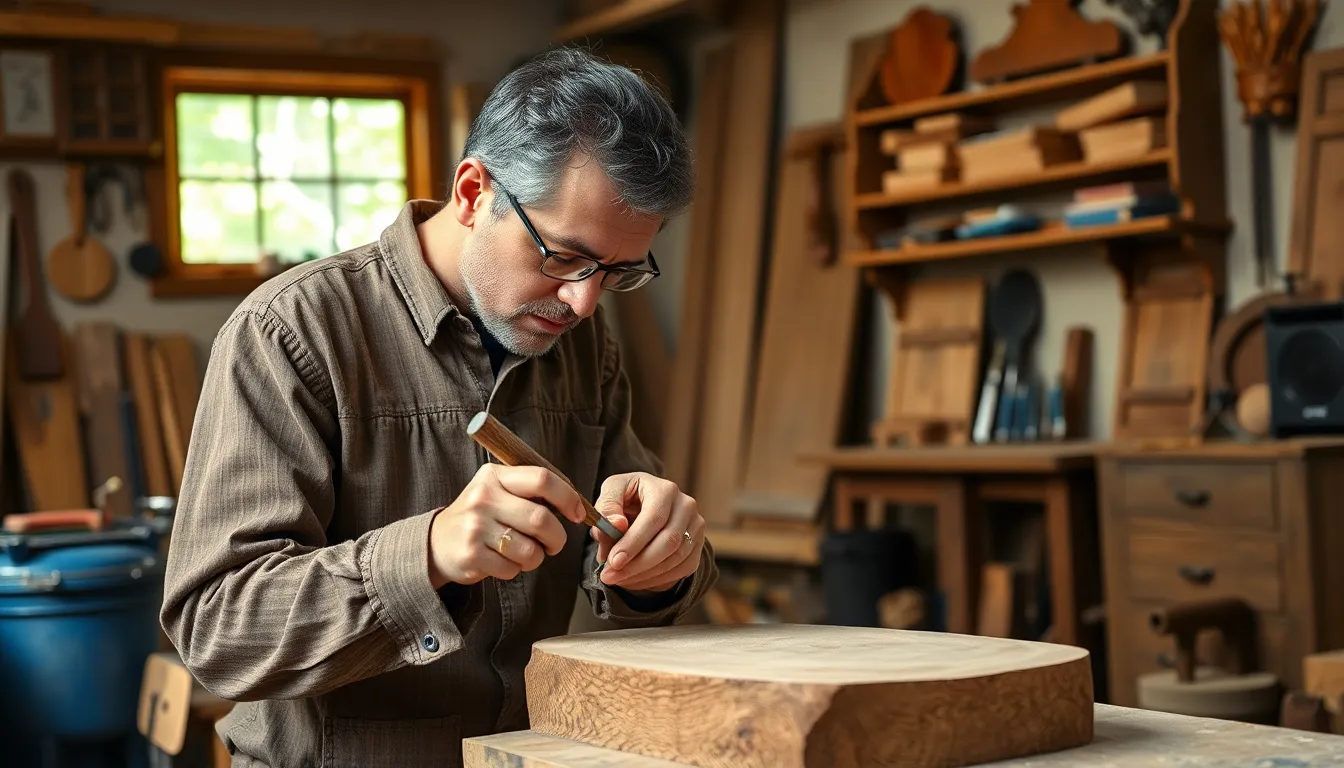

Craftsmanship isn’t just about hammering nails and gluing things together; it’s an art form that transforms raw materials into masterpieces. Whether it’s a handcrafted piece of furniture or a finely tailored suit, craftsmanship embodies skill, dedication, and a sprinkle of magic. It’s the difference between a basic coffee table and a stunning centerpiece that sparks conversations at every gathering.
In a world dominated by mass production and cookie-cutter solutions, true craftsmanship stands out like a unicorn in a herd of horses. It reflects a commitment to quality and an appreciation for the finer things in life. So, what exactly does craftsmanship mean? Let’s dive into the delightful depths of this fascinating concept and discover why it deserves a place in everyone’s heart—and home.
Craftsmanship Meaning
Craftsmanship embodies the skill and artistry in creating high-quality, handcrafted items from raw materials. This art form reflects dedication, precision, and a commitment to excellence, distinguishing it from conventional manufacturing methods.
Historical Context
Craftsmanship dates back thousands of years, originating in ancient civilizations where artisans honed their trades. Early examples include pottery, weaving, and woodworking, each showcasing the unique techniques and cultural values of their time. As societies developed, so did the complexity of crafts, leading to the establishment of guilds that upheld standards and training. These guilds played a crucial role in preserving craftsmanship knowledge, ensuring that skills and traditions passed down through generations.
Evolution of Craftsmanship
Craftsmanship evolved significantly during the Industrial Revolution, as mass production techniques emerged. This shift improved efficiency but often compromised the quality that handcrafted goods provided. In the late 20th century, a resurgence of interest in traditional craft techniques occurred, fueled by a desire for unique, sustainable products. Today, makers and artisans blend modern technology with age-old methods, creating innovative designs that marry aesthetics and functionality. Craftsmanship now enjoys a renewed appreciation, fostering a vibrant community committed to quality and individuality.
Key Elements of Craftsmanship
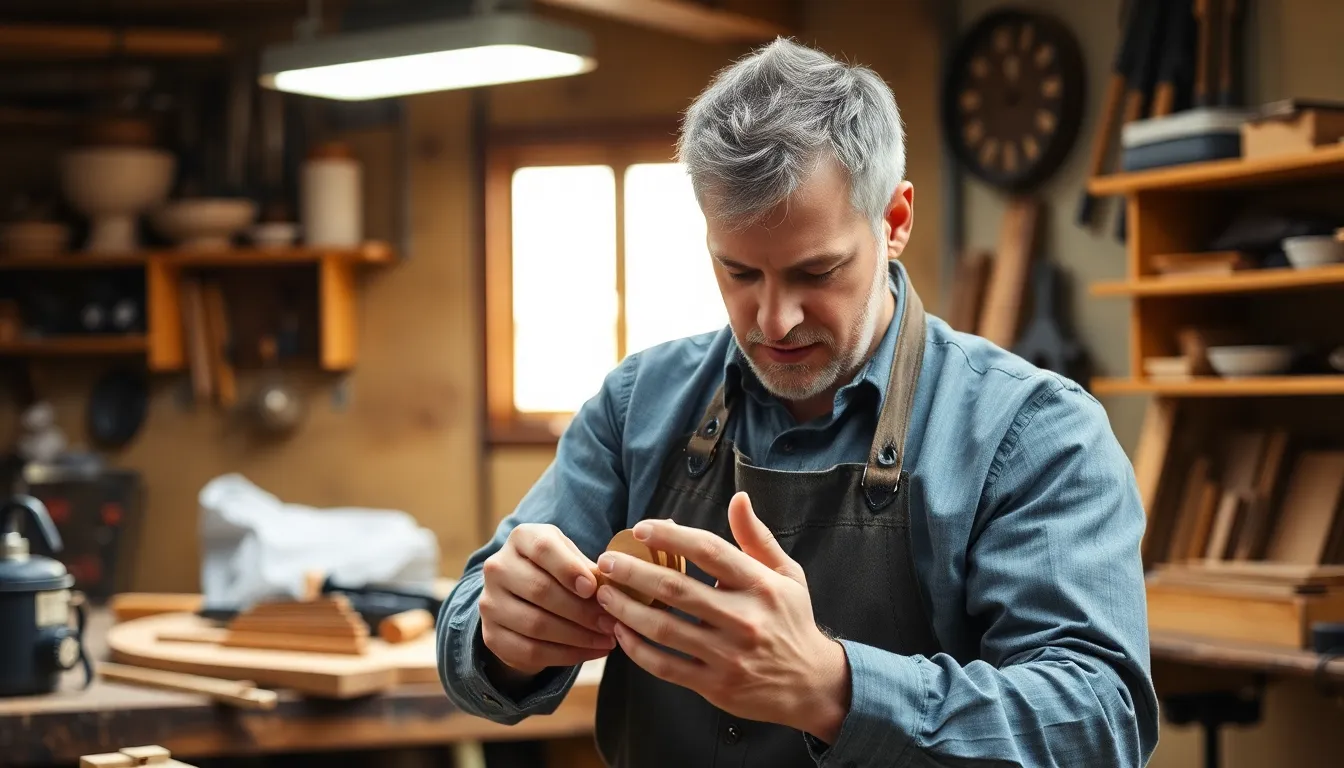
Craftsmanship embodies several key elements that contribute to the creation of high-quality items. Understanding these elements enhances appreciation for artisanal work.
Skill and Expertise
Craftsmanship demands extensive skill and expertise from artisans. Mastery in techniques is gained through years of practice and dedication. Artisans often specialize in specific materials such as wood, metal, or fabric. Each medium requires unique knowledge and handling. Training through apprenticeships or formal education helps hone these skills. It shapes artisans into true experts in their trade. Craftsmanship flourishes when artisans combine their knowledge with innovative approaches.
Attention to Detail
Attention to detail stands as a hallmark of exceptional craftsmanship. Every facet of a creation—thickness of material, stitching pattern, or finish—is meticulously considered. Artisans focus on even the smallest elements, ensuring quality throughout the process. This precision distinguishes handcrafted items from mass-produced alternatives. Such care leads to products with unique characteristics and enduring durability. Quality control during creation reinforces the high standards that define craftsmanship. Each piece tells a story through its intricate details.
Different Forms of Craftsmanship
Craftsmanship manifests in various forms, showcasing the diversity and skill involved in creating unique items. Different methods highlight the evolution and cultural significance of craftsmanship across time.
Traditional Crafts
Traditional crafts encompass methods passed down through generations, preserving cultural heritage. Techniques like pottery, weaving, and woodworking exemplify this form. Artisans usually utilize natural materials, which contribute to the authenticity of each piece. Mastery of these crafts demands years of experience and a deep understanding of techniques. Community involvement often plays a vital role, as artisans gather to share knowledge and techniques. Festivals and fairs celebrate these crafts, showcasing handwoven textiles, hand-thrown pottery, and intricate woodworking.
Modern Interpretations
Modern interpretations of craftsmanship blend traditional skills with contemporary aesthetics. Artisans today often use advanced tools and technologies while respecting time-honored techniques. Innovations include using digital design software in furniture creation and 3D printing in ceramics. The focus frequently shifts from solely functionality to artistic expression, producing unique and imaginative pieces. Collaborations between artisans and designers foster a dynamic environment, leading to fresh ideas and exciting creations that appeal to today’s market. The resurgence in demand for handcrafted items demonstrates a collective appreciation for quality, individuality, and sustainable practices in craftsmanship.
The Importance of Craftsmanship
Craftsmanship holds immense value in various contexts, reflecting skill and artistry. Artisans contribute significantly to cultural heritage through their meticulous work.
Cultural Significance
Cultural identities often shine through craftsmanship. Each handmade item carries stories and traditions unique to a specific region or community. Pottery from Mexico, for instance, showcases vibrant colors and traditional techniques passed down through generations. Weaving in African cultures reflects local histories and values. These crafts foster a sense of belonging and pride among artisans and their communities. Additionally, festivals celebrating craftsmanship often draw attention to these cultural narratives, allowing society to appreciate and preserve these artistic expressions.
Impact on Quality and Value
Quality in craftsmanship emerges from dedication and attention to detail. Handcrafted items typically exhibit superior durability compared to mass-produced alternatives. Skilled artisans use high-quality materials and time-tested techniques, ensuring each piece stands the test of time. Unique designs often increase the perceived value of these items, as consumers recognize the effort behind each creation. Furthermore, investing in handcrafted goods supports sustainable practices and local economies, enhancing their overall worth in today’s market. This focus on quality elevates craftsmanship, reinforcing its importance in contemporary society.
Conclusion
Craftsmanship embodies a rich tapestry of skill and artistry that transforms ordinary materials into extraordinary creations. It’s a celebration of dedication and precision that stands in stark contrast to mass production. Each handcrafted item tells a story of cultural heritage and personal touch, making it invaluable in today’s fast-paced world.
By embracing craftsmanship, individuals not only invest in quality and uniqueness but also support local economies and sustainable practices. This appreciation for the art form fosters a deeper connection to the items they choose, enriching their lives with authenticity and character. Craftsmanship is more than a skill; it’s a movement toward valuing the extraordinary in the everyday.