

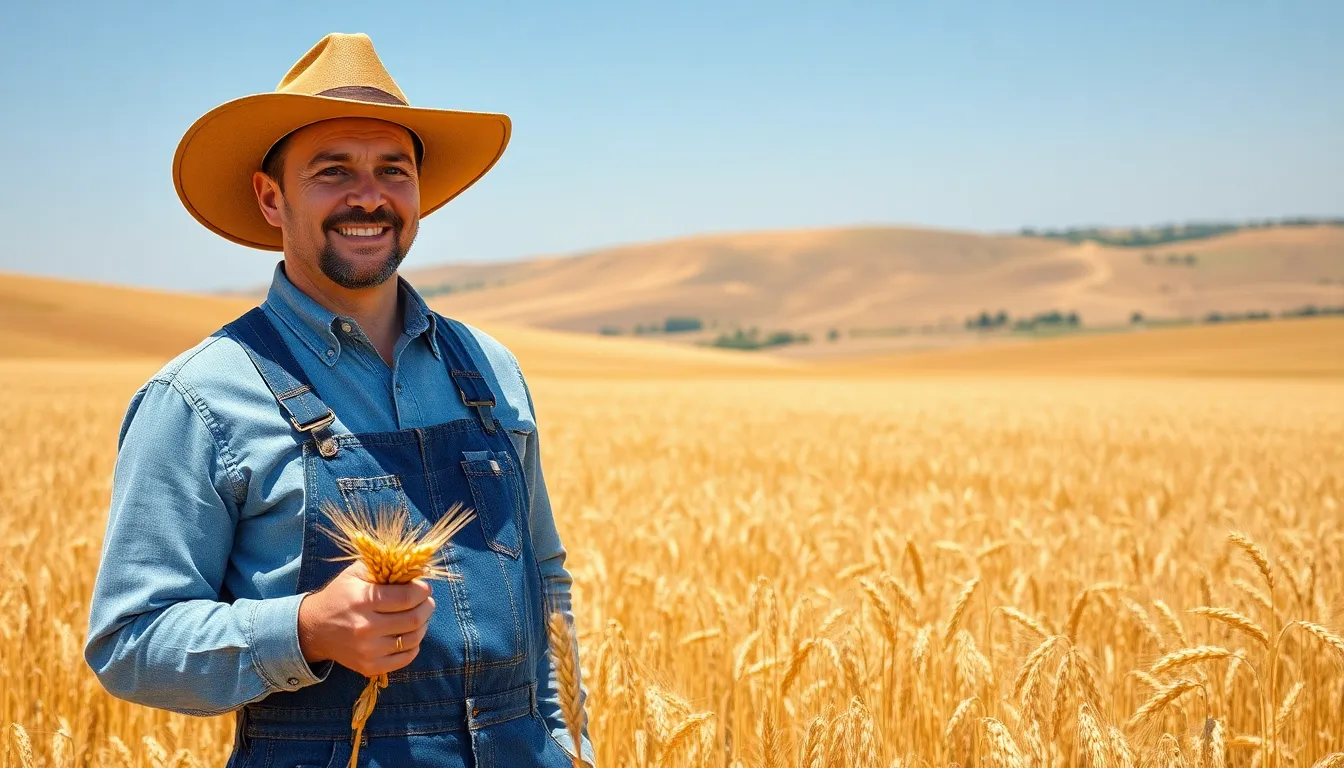

Wheat farming isn’t just about growing crops; it’s a way of life that’s as rich as the golden fields themselves. Imagine waking up to the sun rising over endless waves of wheat, the smell of fresh earth filling the air. It’s not just a job; it’s an adventure where farmers become the unsung heroes of our daily bread.
Wheat Farming
Wheat farming encompasses various practices aimed at cultivating wheat, a staple crop worldwide. This agricultural activity supports economies and sustains communities, reflecting its significance in food production. Different factors influence wheat farming, including soil quality, climate, and seed selection.
Climate plays a crucial role in wheat yield. Regions with temperate climates usually produce the highest quantities of wheat. Farmers often choose specific wheat varieties based on regional conditions, such as hard red, soft red, or durum wheat. These varieties adapt to different growth conditions, optimizing harvest outcomes.
Soil health is another vital aspect. Farmers implement crop rotation and cover cropping techniques to enhance soil fertility and prevent erosion. Nutrient management strategies ensure optimum growth, with farmers applying fertilizers as needed to support wheat development.
Pest and disease management also greatly impacts wheat farming. Implementing integrated pest management techniques helps protect crops from threats. Farmers often monitor pest populations and employ biological controls, minimizing chemical pesticide use.
Technological innovations continuously improve wheat farming efficiency. Precision agriculture utilizes data and technology to maximize yields and minimize resource use. Farmers increasingly rely on drones, soil sensors, and satellite imagery to make informed decisions regarding irrigation and planting strategies.
Harvesting wheat involves careful timing and technique, as timing significantly affects grain quality. Farmers often use combines for efficient harvesting, aiming for optimal moisture levels during the process. Each stage of wheat farming requires skill and knowledge, portraying farmers as stewards of the land and vital contributors to global food security.
Key Varieties of Wheat
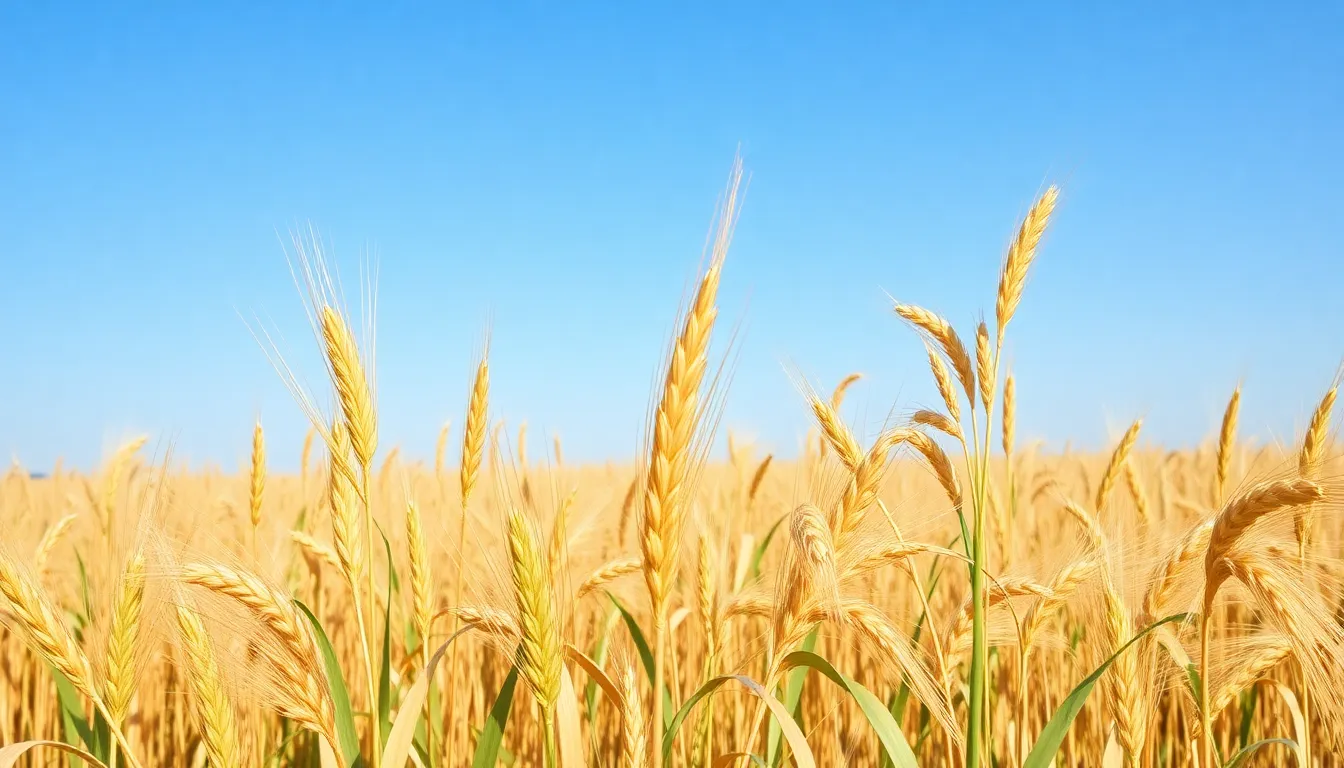
Wheat farming encompasses various wheat species, each with unique characteristics and uses. Understanding these key varieties aids farmers in selecting the best crops for their specific conditions.
Hard Red Winter Wheat
Hard red winter wheat thrives in regions with moderate rainfall and cold winters. Farmers appreciate its high protein content and strong gluten, making it suitable for bread-making and other baked goods. This variety is often planted in the fall, allowing for early growth in spring. It accounts for approximately 40% of the wheat production in the United States, playing a significant role in the overall wheat market.
Soft Red Winter Wheat
Soft red winter wheat grows best in humid climates and is typically planted in the fall. Its lower protein content makes it ideal for pastries, cakes, and crackers. Soft red winter wheat often yields excellent results in areas with less fertile soil. This variety accounts for around 25% of total U.S. wheat production, highlighting its importance in the food industry.
Durum Wheat
Durum wheat appears with its unique amber hue and hard texture. Known for its high gluten strength, it’s essential for pasta production and semolina flour. Grown primarily in the northern U.S. and Canada, durum wheat suits warm, dry climates. Though it constitutes about 8% of U.S. wheat production, its specialty uses make it a valuable variety for consumers and producers alike.
Wheat Farming Techniques
Wheat farming involves several techniques that enhance crop yield and sustainability. Soil preparation, planting methods, and pest and disease management play crucial roles in successful cultivation.
Soil Preparation
Soil preparation starts with assessing soil quality. Farmers perform tests to determine nutrient levels and pH balance. Based on these tests, they can amend the soil as needed. Tilling enhances aeration and encourages root growth. Cover cropping practices improve soil structure and prevent erosion. Crop rotation helps replenish nutrients, ensuring sustained productivity in wheat fields.
Planting Methods
Planting methods vary based on regional climate and soil conditions. Direct-seeding is popular for its simplicity and efficiency. This method minimizes soil disturbance, maintaining soil moisture levels. Broadcasting seeds offers another approach, spreading them evenly across prepared fields. Farmers often utilize precision agriculture technology to optimize planting density and depth. Timing is critical, with planting typically occurring in the fall for winter varieties and spring for summer varieties.
Pest and Disease Management
Pest and disease management utilizes integrated techniques to protect wheat crops. Monitoring fields regularly helps identify issues early. Biological control methods often reduce the need for chemical pesticides. Crop rotation disrupts pest cycles, preventing infestations. Resistant wheat varieties mitigate disease impact. By combining these tactics, farmers enhance crop health while maintaining environmental responsibility.
Harvesting and Post-Harvest Practices
Harvesting wheat at the right time is crucial. Farmers monitor the crop closely, noting the moisture content and kernel hardness. Cutting occurs when grains reach about 13 to 14 percent moisture. Monitoring weather conditions is vital; rain or high humidity can negatively impact harvest quality. Using specialized equipment, such as combine harvesters, enhances efficiency, allowing farmers to cover large areas quickly.
Timing the Harvest
Harvest timing affects yield and quality. Waiting too long results in loss from shattering and spoilage. Regular field checks help assess kernel maturity. Ideally, farmers harvest when heads are golden brown and kernels feel firm. The critical window spans typically from mid-summer to early fall. Timing can vary based on specific wheat varieties and local climate conditions, ensuring optimal quality at harvest.
Storage Solutions
Proper storage is essential for maintaining grain quality post-harvest. Farmers utilize silos or bins designed to control temperature and humidity. Aeration systems help prevent spoilage by providing adequate airflow. Monitoring stored grains for pests and moisture regularly offers protection against losses. Storing wheat under appropriate conditions minimizes the risk of mold or deterioration, ensuring grains remain market-ready for months.
Economic Impact of Wheat Farming
Wheat farming significantly influences economic structures both locally and globally. Its role as a staple crop fosters trade and sustains millions of livelihoods.
Global Wheat Market
The global wheat market boasts a valuation exceeding $200 billion annually. Countries like China, India, and Russia are top producers, collectively accounting for about 50% of global production. Export opportunities arise from countries such as the United States, where wheat exports reached approximately 25 million metric tons in 2022. The market dynamics are affected by climate conditions, trade policies, and demand fluctuations as wheat serves as a critical food source for populations worldwide. Understanding these factors aids stakeholders in navigating pricing and supply chain challenges.
Local Economic Benefits
Local economies thrive due to wheat farming. It generates jobs within rural communities, with estimates suggesting that every acre of wheat supports approximately 1.3 jobs. Farmers invest in local businesses, fostering economic growth in related sectors, such as equipment suppliers and grain elevators. Additionally, tax revenues from wheat farming contribute to public services, benefiting education and infrastructure. These local economic effects highlight how wheat farming reinforces community resilience and prosperity.
Conclusion
Wheat farming is a cornerstone of agriculture that intertwines with the lives of farmers and their communities. The dedication and skill of these individuals play a crucial role in ensuring food security and economic stability. By embracing innovative techniques and sustainable practices, they not only enhance crop yields but also protect the environment.
As the global demand for wheat continues to rise, understanding the complexities of this vital crop becomes increasingly important. The future of wheat farming hinges on adapting to changing climates and market dynamics while maintaining the rich traditions that have sustained generations of farmers. With each harvest, the impact of their work resonates far beyond the fields, shaping the landscape of communities and economies worldwide.