

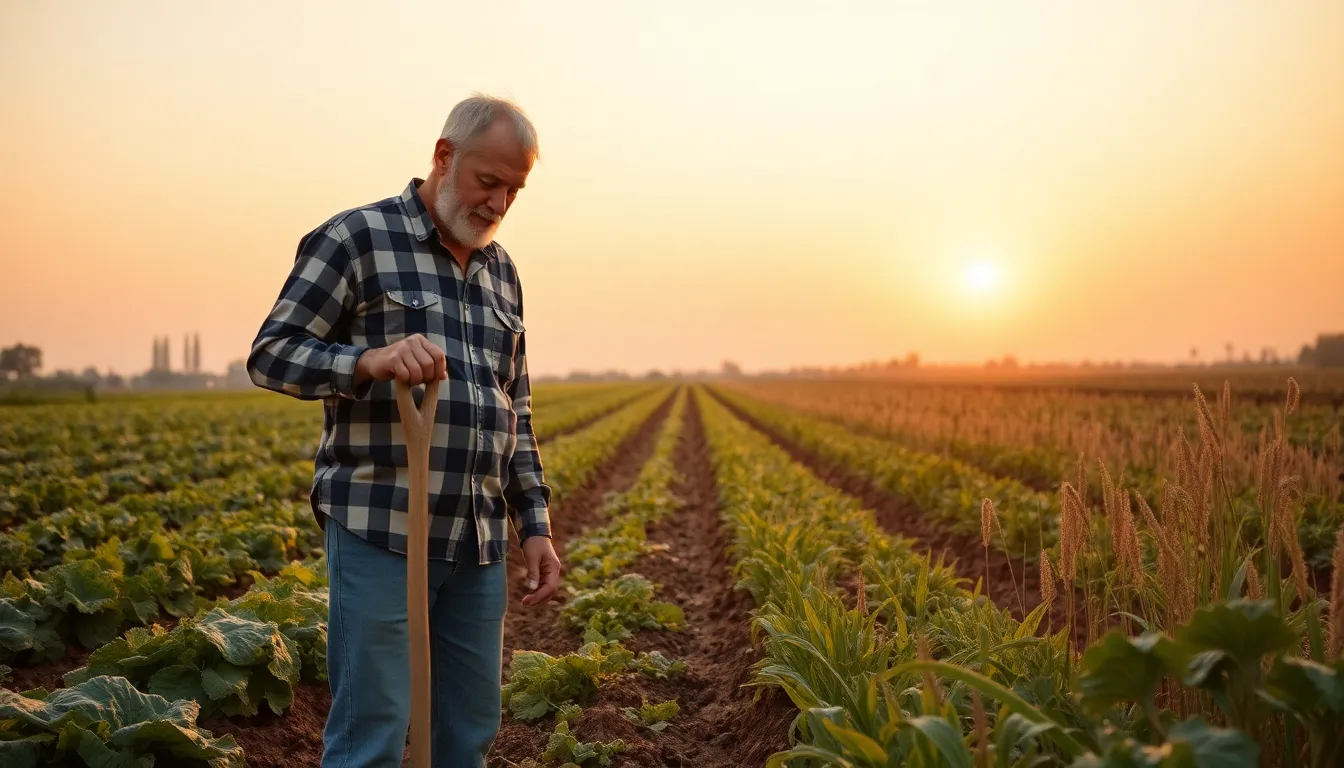

Imagine waking up at the crack of dawn, surrounded by fields of crops that are just as stubborn as your morning coffee. That’s the life of a subsistence farmer. This farming method isn’t just a way to grow food; it’s a lifestyle that’s been around longer than your great-grandparents’ old-fashioned recipes.
Subsistence Farming Meaning
Subsistence farming involves producing enough food for the farmer’s family, with little surplus for sale. This practice, deeply rooted in history, shapes the lives of many communities across the globe.
Definition of Subsistence Farming
Subsistence farming refers to agricultural practices where farmers grow food primarily for their own consumption. They often cultivate staples such as grains, vegetables, and fruits. In many regions, this type of farming represents a strategy for food security. The primary aim focuses on meeting immediate needs rather than generating income from excess produce.
Key Characteristics of Subsistence Farming
Characteristics of subsistence farming include low-input methods, reliance on local resources, and minimal use of chemical inputs. Farmers often utilize traditional techniques passed down through generations. Crop diversity also plays a crucial role, as it helps ensure resilience against environmental changes. Land ownership varies, with some utilizing small plots while others work communal lands. Sustainability emerges as a key concern, addressing both environmental and economic stability in subsistence farming systems.
Types of Subsistence Farming
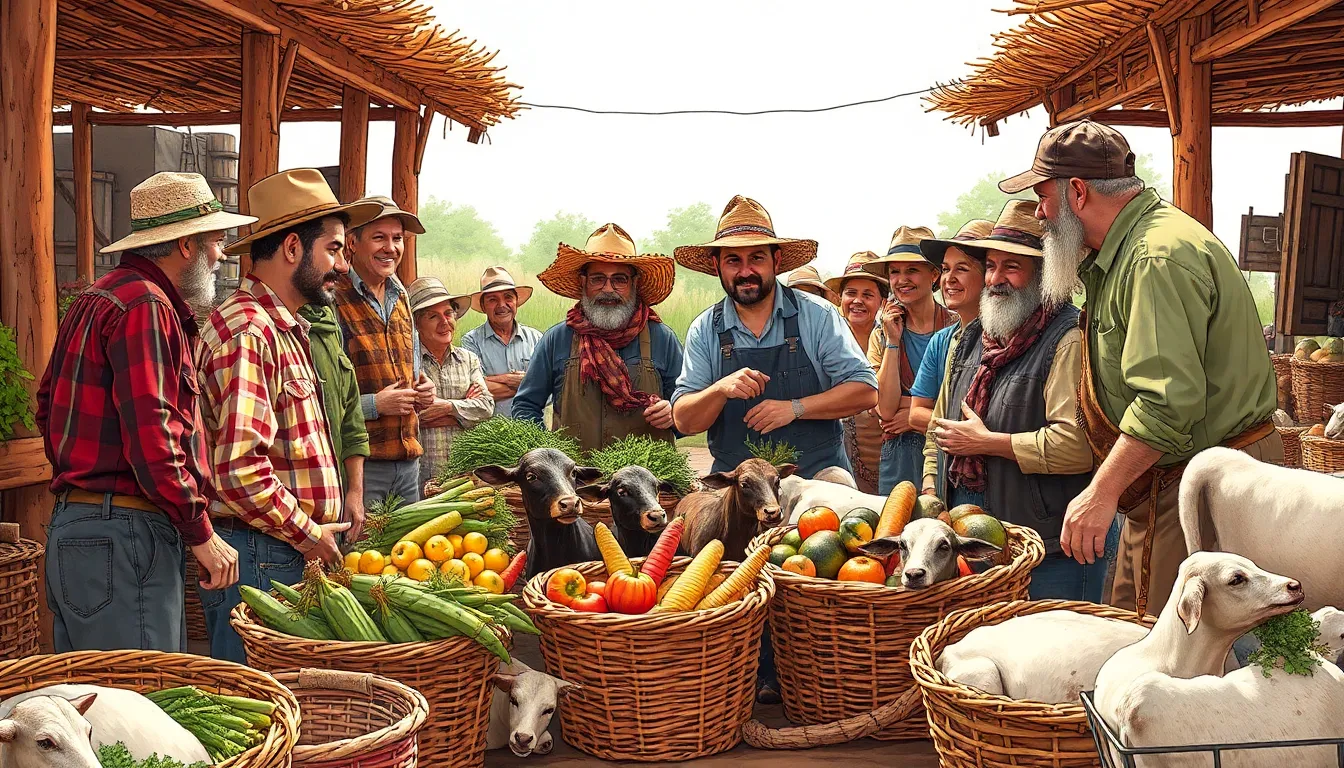
Subsistence farming encompasses various methods tailored to local conditions and cultural practices. Common types include the barter system and shifting cultivation.
Barter System in Subsistence Farming
The barter system plays a vital role in subsistence farming communities. Farmers exchange surplus produce or goods directly for other necessary items. This exchange often occurs within local markets or among neighboring farms. Bartering fosters community ties and ensures that families acquire diverse resources without relying on cash. For instance, a farmer might trade grains for livestock or vegetables, facilitating mutual support within the community. Engaging in this system not only strengthens relationships but also enhances food security among subsistence farmers.
Shifting Cultivation
Shifting cultivation, also known as slash-and-burn agriculture, involves the rotation of crop fields. Farmers clear a section of forest or bush, cultivate crops for a few years, then abandon the land for new plots. This method promotes soil fertility through natural regeneration while minimizing soil depletion. Communities practicing shifting cultivation often grow diverse crops to maintain ecological balance. Farmers typically work in harmony with their environment, timing planting and harvesting with seasonal changes. Successful examples can be found in regions across Africa, Asia, and the Americas, where shifting cultivation remains integral to local livelihoods.
Importance of Subsistence Farming
Subsistence farming plays a vital role in many communities around the world, impacting both local economies and food security.
Economic Impact on Communities
Subsistence farming directly supports local economies by providing livelihoods for millions. It fosters local trade within communities, as farmers exchange surplus produce for necessary goods. Employment opportunities arise from farming activities, contributing to community resilience. Additionally, subsistence farming promotes self-sufficiency, reducing reliance on imported foods. Local infrastructure often benefits, as farmers invest in facilities like storage and transportation to facilitate trade. Economic sustainability stems from this practice, creating a stable income source that supports families and local enterprises. The cyclical nature of subsistence agriculture strengthens ties among community members, enhancing social cohesion.
Contribution to Food Security
Food security relies heavily on subsistence farming practices. Farmers grow staple crops for their families, ensuring access to essential nutrition. Diverse crops mitigate risks associated with climate change and pests, bolstering food availability. These farming practices provide communities with resilience against economic shocks and global food price fluctuations. In regions facing instability, subsistence farming assures families of consistent food supplies. By prioritizing local consumption, communities nurture sustainable agricultural methods that support long-term food security. Therefore, these practices not only fulfill immediate dietary needs but also contribute to broader community health and well-being.
Challenges Faced by Subsistence Farmers
Subsistence farmers encounter several significant challenges that impact their livelihoods and food production.
Climate Change Effects
Climate change causes erratic weather patterns, affecting crop yields. It leads to unpredictable rainfall, resulting in both droughts and flooding. Extreme temperatures can alter growing seasons and disrupt essential farming activities. Such variability increases vulnerability for subsistence farmers who rely heavily on stable conditions to grow food. Farmers often struggle to adapt traditional practices to these changing climates, making it difficult to maintain production levels. Crop failures due to climate stress can significantly impact food security and community health.
Limited Access to Resources
Limited access to resources presents another critical challenge for subsistence farmers. Many lack access to quality seeds, fertilizers, and irrigation systems, which are crucial for boosting productivity. Financial constraints hinder the purchase of necessary tools and equipment, leading to reliance on outdated methods. Education and extension services often remain unavailable, reducing farmers’ ability to implement sustainable practices. Minimal infrastructure further complicates transportation of goods to markets, limiting income potential. Many subsistence farmers face a continuous struggle to secure the resources needed to improve their farming practices.
Conclusion
Subsistence farming remains a vital practice for millions around the globe. It not only provides essential food for families but also fosters community connections and supports local economies. The reliance on traditional techniques and local resources underscores its importance in promoting sustainability and resilience against environmental challenges.
As subsistence farmers face increasing pressures from climate change and resource limitations, the significance of their role in ensuring food security becomes even more pronounced. By embracing crop diversity and sustainable practices, these farmers contribute to the health and well-being of their communities. The ongoing adaptation and evolution of subsistence farming will be crucial in navigating the complexities of modern agricultural challenges.