

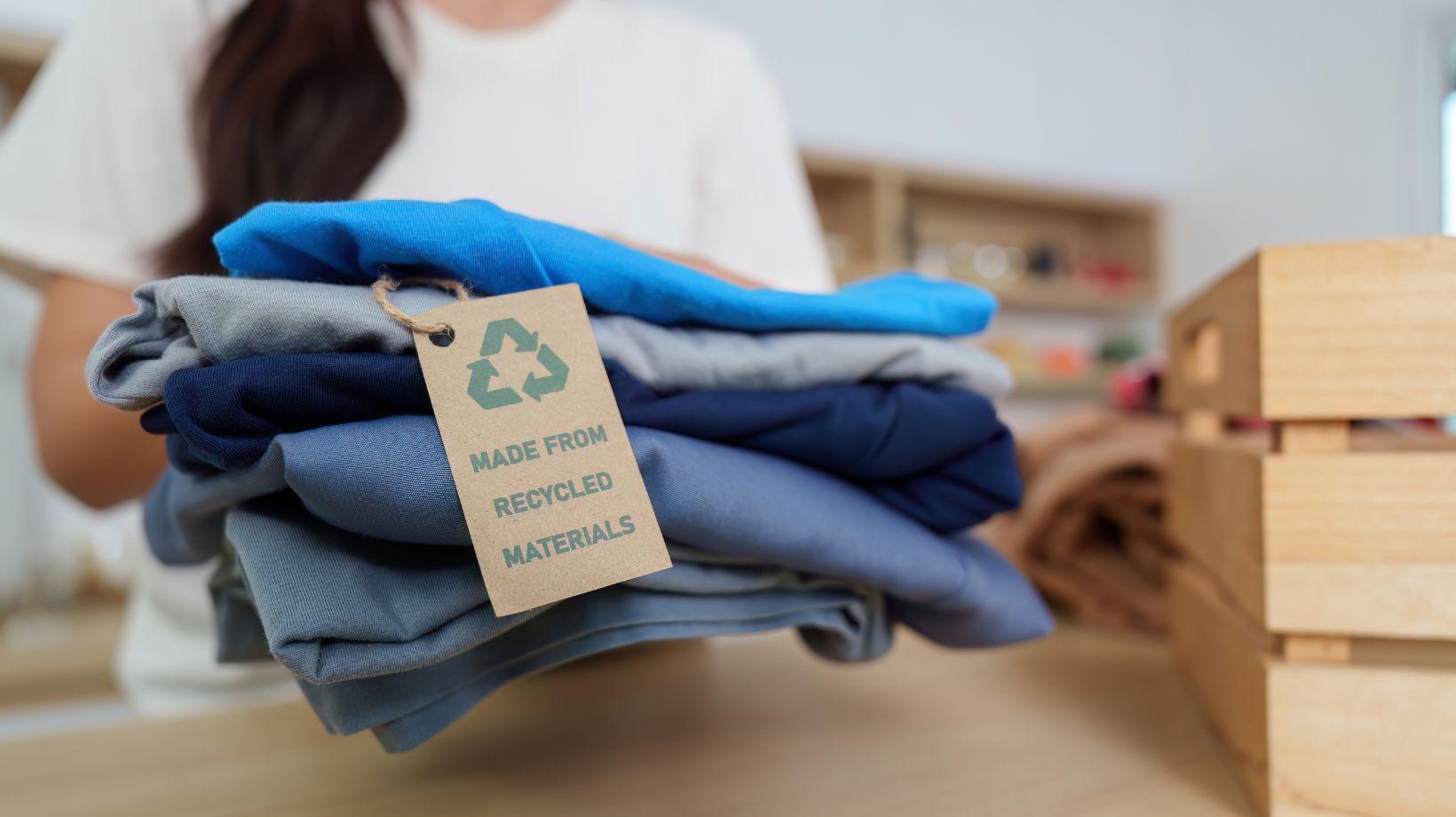

Children outgrow clothes at a dizzying pace, which makes kids’ fashion one of the fastest-turnover categories in any household. It’s tempting to grab whatever is cheapest, knowing it’ll only fit for a season. But the fabric your child wears every day affects their comfort, their skin, and the planet in ways that are easy to overlook.
Here’s what parents should know about choosing more sustainable fabrics.
Why fabric is the heart of sustainability
Most of a garment’s environmental footprint is set before it ever reaches the store: how the fiber is grown or produced, how much water and how many chemicals go into processing, and how long the finished piece lasts. Choosing better fabric is often the single most effective sustainable choice a parent can make.
Fabrics worth looking for
Organic cotton. Grown without synthetic pesticides and fertilizers, organic cotton is gentler on soil and on the farmers who grow it. It’s also soft and breathable, which makes it ideal for pieces worn right against the skin, like underwear, pajamas, and first bras.
Bamboo-derived fabrics. Bamboo grows quickly and needs relatively little water. Fabrics made from it are silky, breathable, and moisture-wicking. Look for brands that are transparent about how the fiber is processed.
Modal. Made from beech tree pulp, modal is exceptionally soft and holds its shape well through many washes. That durability matters, because clothes that last can be handed down.
Pima cotton. A long-staple cotton that produces smoother, stronger fabric. Garments made from it tend to pill less and wear longer.
Comfort and sustainability go together
Soft, natural fibers aren’t just better for the environment. They’re often better for kids, too. Breathable fabrics help regulate temperature, and smooth fibers are less likely to irritate sensitive skin. For kids with sensory sensitivities, a soft organic or modal layer can be the difference between a calm morning and a meltdown.
Undergarments deserve special attention, since they’re worn all day, every day, right against the skin. Some brands designing for tweens, including Bleuet, now offer organic cotton, bamboo, and modal options specifically for these first undergarments.
Think about the whole life of a garment
Sustainability isn’t only about what something is made of. It’s also about what happens to it:
- Buy fewer, better pieces. A few well-made basics often outlast a drawer full of cheap ones.
- Choose adjustable designs. Adjustable straps and stretch waistbands extend how long a piece fits.
- Hand down and swap. Organize clothing swaps with friends or neighbors.
- Donate gently used items. Many organizations welcome clean, wearable children’s clothing.
- Wash with care. Cold water and air-drying extend a garment’s life and save energy.
Ask about how it’s made
Responsible manufacturing matters as much as the fiber itself. Look for brands that share information about fair wages, safe working conditions, and where their products are made. Transparency is a good sign that a company takes its impact seriously.
Teach kids why it matters
Involve your children in these choices. Explain why you’re choosing one fabric over another, or why you’re donating clothes they’ve outgrown. Kids who understand the story behind their clothes often grow into thoughtful consumers themselves.
Sustainable parenting doesn’t require a total wardrobe overhaul. Start with the pieces your child wears most, choose fabrics that feel good and last, and build from there.